Three years after the activation of the Temporary Protection Directive, EU member states face diverging outcomes in their democratic approaches to labour market integration, revealing both successes and structural challenges that reshape European migration policy.
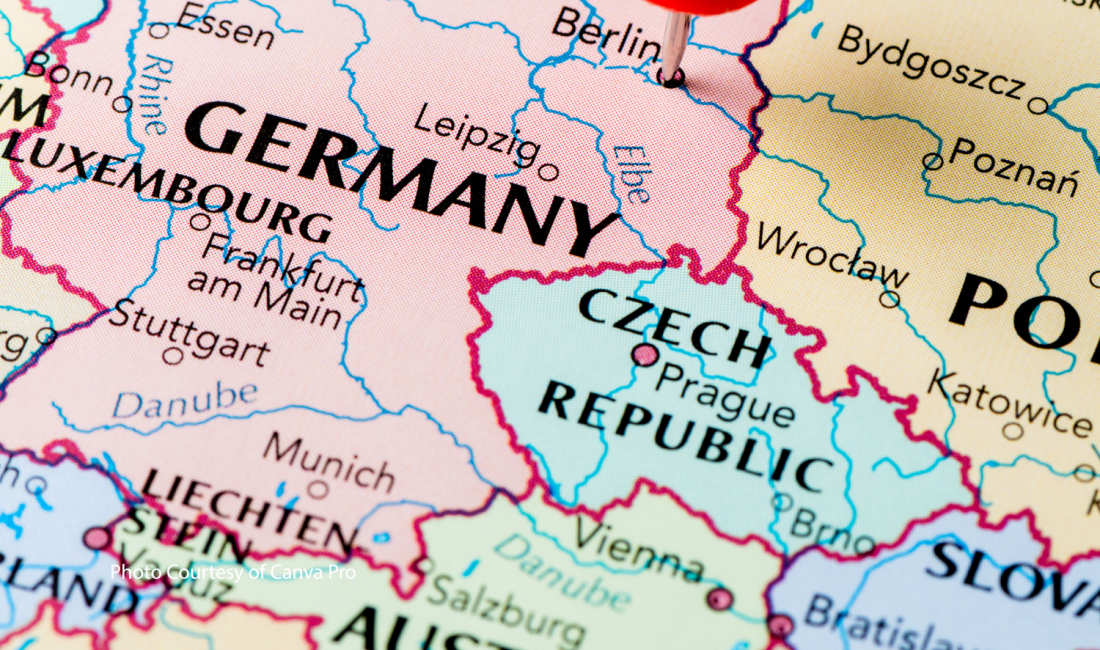
On 4 March 2022, the Council unanimously adopted the Decision giving those fleeing war in Ukraine the right to temporary protection, triggering an unprecedented European response to displacement. By June 2025, over 1.1 million refugees from Ukraine were recorded in Germany, while Poland's swift opening of its labour market enabled refugees to achieve remarkable economic integration, with employment rates increasing from 61% to 69% in just one year. The Czech Republic, hosting approximately 433,000 Ukrainians and becoming the world's leading host of Ukrainian refugees per capita, pioneered legislative innovations through its Lex Ukraine packages. This comparative analysis examines how democratic institutions across these three countries adapted to integrate millions of workers while maintaining legitimacy and effectiveness.
The paradox of rapid protection versus sustainable integration
The European Union's activation of the Temporary Protection Directive marked a watershed moment in refugee policy. Unlike previous refugee crises, Ukrainian refugees gained immediate labour market access through the EU's Temporary Protection Directive, bypassing years-long asylum procedures. However, this swift response created new democratic challenges.
The European Parliament voted overwhelmingly to support the activation of the Temporary Protection Directive, with 676 MEPs voting in favor, 13 against, and 26 abstentions. This near-unanimous support reflected initial European solidarity but masked deeper questions about democratic participation and representation.
The fact is that not only did a majority of Ukrainians aged 18+ look for a job (62%), but, out of them, 66% had already been employed in the 10 host countries examined by early autumn 2022. Yet employment rates varied dramatically: in Poland, the employment rate of refugees from Ukraine is 65% – the highest in Europe, compared to Germany's initial only 20% in 2023, though this improved to 30% by last spring.
These disparities reflect fundamentally different democratic approaches to integration, each with distinct trade-offs between speed and quality of integration.
Germany's corporatist dilemma: Rights protection versus employment speed
Germany's approach exemplified the tensions between comprehensive protection and rapid labour market entry. The Bundestag approved the implementation of the Temporary Protection Directive with 586 votes in favor, 35 against, and 7 abstentions, demonstrating broad parliamentary consensus despite political divisions.
Germany's Federal Employment Agency published figures showing that in January 2024, around 124,000 people were registered in integration and language courses. The Job-Turbo initiative, launched in October 2023, aimed to accelerate employment through "having job centers put more effort into getting refugees into work", with meetings every six weeks and potential benefit reductions for non-compliance.
By May 2024, approximately 110,000 Ukrainian refugees have taken up employment subject to social security contributions, and 35,000 have taken up mini jobs. 483,000 Ukrainian refugees of working age are currently still receiving Citizens' Benefit. This meant only about 24% of working-age Ukrainians were employed—significantly below Poland or the Czech Republic.
Critics argued Germany's generous benefits created disincentives.
"If we say that Germany is a country of immigration, then it is the Ukrainians, for example, who would most easily integrate into our labor market. But only 20% are working — because they don't have to work," Kretschmer told the Rheinische Post.
However, longitudinal data suggests a different narrative: Over the last year, participants of the longitudinal study in Germany showed a tremendous 81% increase in self-estimated 'fair' language skills (from 26% to 47%) and a 73% increase in employment level (from 15% to 26%).
This investment in language and skills may yield long-term benefits, as:
"Almost half of the refugees by now intend to stay in Germany in the longer term, with a rising tendency".
“We can speak, but we cannot vote”
Despite integration efforts, Ukrainian refugees in Germany face significant barriers to democratic participation. They cannot vote in federal, state, or most local elections until obtaining citizenship—a process requiring eight years of residence, German language proficiency, and renunciation of Ukrainian citizenship. Only EU citizens can vote in local and European Parliament elections, excluding Ukrainians from this fundamental democratic right.
Berlin established Ukrainian advisory committees within weeks, ensuring migrant participation in policy formation. However, these bodies remain consultative without binding power. As one committee member noted:
"We can speak, but we cannot vote. Our voices are heard but not counted in decisions that shape our lives."
Poland's civil society model: Speed through decentralisation
Poland's response leveraged its extensive Ukrainian diaspora and civil society networks. The Polish Sejm approved temporary protection measures with 423 votes in favor, 0 against, and 23 abstentions—a rare display of political unity in Poland's polarized parliament.
In 2024, Ukrainian refugees had a net impact of 2.7% to Poland's GDP, demonstrating significant economic contribution. The country's decentralised approach relied heavily on non-governmental actors.
“Foundation Ukraine is an NGO providing support to migrants and refugees in Lower Silesia, Poland... With EUR 1.3 million in EU funding, the project focuses on assisting people with the legalisation of their residence and employment. This NGO-led model enabled rapid integration but created challenges: a notable number of Ukrainians with tertiary education work in elementary occupations... This discrepancy underscores the difficulties faced by refugees in maintaining their professional backgrounds.”
The demographic profile posed specific challenges: Almost every second household with children (48%) is headed by a single caregiver, which is related to specific employment challenges: the predominant barrier to employment for those who seek it is finding work with a suitable or flexible schedule (44%).
Despite high employment rates, 60% reported urgent unmet needs, highlighting gaps in the civil society-led approach. Polish public opinion also shifted: surveys show increasing opposition to aiding Ukrainians, with 36% opposed and 26% in support.
Limited political voice in Poland
Poland's approach to democratic participation for Ukrainians remains restrictive. While some municipalities like Warsaw created informal Ukrainian advisory bodies, these lack legal standing. The Warsaw Ukrainian Council, established in 2022, can only make recommendations to the city government.
More concerning is the shift in public opinion affecting democratic discourse. The polarization has led to political parties exploiting anti-Ukrainian sentiment, with the far-right Confederation party gaining support by opposing refugee assistance.
Czech Republic's legislative innovation: Bureaucratic efficiency meets flexibility
The Czech Republic's Lex Ukraine packages represented Europe's most comprehensive legislative response. The Czech Parliament demonstrated remarkable consensus, with the initial Lex Ukraine passing with 133 votes in favor, 0 against, and 6 abstentions in the Chamber of Deputies.
All the laws came into force by publication in the Collection of Laws on 21 March and are due to expire on 31 March 2023, but were subsequently extended and amended seven times through democratic procedures. Each amendment maintained broad support, with Lex Ukraine V passing with 125 votes in favor, 8 against, and 12 abstentions.
Key innovations included allowing Ukrainian refugees who are economically independent and do not receive social benefits to obtain long-term resident status through Lex Ukraine VII. The automatic recognition of qualifications proved particularly effective:
“The Czech Republic pioneered several innovative democratic mechanisms…” Simplified Work Permit System: Democratic oversight through parliamentary committees ensured transparent and expedited procedures.
However, the system created its own challenges. As of 1 July, housing in state humanitarian accommodation will only be free of charge for a maximum of 150 days after temporary protection is granted, forcing rapid transitions to self-sufficiency. The Czech approach demonstrated that temporary protection combined with facilitated access to the local labour market enables refugees to acquire skills crucial for post-conflict reconstruction.
Structured participation mechanisms in the Czech Republic
The Czech Republic pioneered mandatory Ukrainian representation on municipal advisory boards, creating formal channels for refugee input into local governance. In Prague, the Ukrainian Advisory Board includes 15 elected representatives from the refugee community who participate in city council meetings on integration issues.
This creates a pathway to eventual citizenship and full democratic participation, though the process still requires 10 years of residence.
Democratic institutions: Adaptation under pressure
Local councils as integration anchors.
Across all three countries, municipalities emerged as crucial actors. Poland is introducing an amendment allowing Beneficiaries of Temporary Protection (BTPs) to transition to a specific national temporary residence status valid for three years starting in 2025, reflecting local-level innovations scaling to national policy.
German cities demonstrated particular innovation:
Berlin established Ukrainian advisory committees within weeks, ensuring migrant participation in policy formation. However, the main problem is the shortage of places in refugee shelters, highlighting infrastructure limitations even in well-resourced democracies.
Trade unions: Variable effectiveness
Trade union involvement varied dramatically across countries. German unions achieved remarkable coverage but required significant resources. The DGB (German Trade Union Confederation) created Ukrainian-language materials on workers' rights and established a hotline receiving over 50,000 calls in the first year.
In Poland, the challenge of attracting and retaining migrant workers in companies where the problem of labour shortages is set to grow dynamically overwhelmed traditional union structures. Polish unions reached only 12% of Ukrainian workers, limiting their democratic voice in workplace decisions.
The Czech Republic found middle ground through legislative mandates for worker protection, though implementation varied by sector and region.
Civil society: Filling democratic gaps
NGOs proved essential where state capacity was limited.
“The IRC provides Safe Healing and Learning spaces to children with refugee backgrounds…” support women affected by the war in Ukraine through a safe haven designed for survivors of gender-based violence. However, reliance on civil society created accountability challenges and service inconsistencies.
Democratic voice through international mechanisms
While excluded from national democratic processes, Ukrainians have limited channels for political participation through international bodies:
European Union mechanisms
-
The European Economic and Social Committee includes Ukrainian civil society observers since 2023, though without voting rights
-
The EU-Ukraine Civil Society Platform provides formal consultation on integration policies
-
The European Parliament's Petitions Committee received over 1,200 petitions from Ukrainian refugees on issues ranging from credential recognition to family reunification
Council of Europe participation
-
The Congress of Local and Regional Authorities created a special status for Ukrainian local government representatives in exile
-
The European Court of Human Rights has fast-tracked cases involving Ukrainian refugees' rights
United Nations forums
-
UNHCR's Annual Consultations include Ukrainian refugee representatives
-
The UN Global Compact on Refugees' Support Platform features Ukrainian civil society organizations
However, these mechanisms remain largely consultative. As one Ukrainian activist noted:
"We can speak in many forums, but when decisions are made, we are observers, not participants."
Unintended consequences and democratic strain
The massive influx revealed structural weaknesses in European democracies:
-
Housing market disruption: In Warsaw, the population has grown by 15%, while Kraków's has risen by 23%, straining urban infrastructure and driving local resentment, potentially increasing skepticism toward democratic decision-making and causing issues with legitimacy.
-
Labour market segmentation: Despite high qualifications, many Ukrainians faced downward mobility, potentially creating a permanent underclass whose participation in society is made more difficult.
-
Welfare state pressures: Different benefit levels created "welfare shopping" incentives, straining EU solidarity.
-
Integration fatigue: As the economic slowdown in Germany progresses and funds for the state budget shrink, similar opinions will be voiced more frequently in the public debate.
The temporary protection trap
With the extension of temporary protection until March 2026, EU states face a policy paradox. To ensure that Ukrainians under temporary protection do not remain in indefinite uncertainty, efforts to develop EU-wide structured exit strategies from temporary protection must continue.
The European Parliament's resolution on extending temporary protection passed with 429 votes in favour, 63 against, and 84 abstentions—showing growing divisions compared to the initial unanimous support.
Countries are developing divergent approaches:
-
Germany restricts certain categories from extension
-
Poland offers a transition to national permits
-
The Czech Republic enables long-term residence for the self-sufficient
These variations risk fragmenting EU policy coherence and creating inequalities among refugees.
Long-term democratic participation challenges
The fundamental democratic principle that "people should have the right to participate in decisions impacting their lives" remains unfulfilled for most Ukrainian refugees.
Key barriers include:
Citizenship Pathways
Ukrainians seeking long-term integration face varying citizenship requirements across countries. In Germany, the path to citizenship typically takes eight years of residence, along with language requirements and a preference for single citizenship. Poland requires ten years of residence, a Polish language exam, and generally allows only limited forms of dual citizenship. Similarly, in the Czech Republic, citizenship is granted after ten years of residence, following a Czech language and civic knowledge test.
Local Political Participation
In most EU countries, Ukrainians without EU citizenship cannot vote in local elections, run for municipal office, or take part in local referendums. Political party membership is also restricted in many countries. However, there are exceptions: eleven EU member states do allow non-EU residents to vote in local elections under certain conditions.
Workplace Democracy
In the labour market, Ukrainian refugees often encounter barriers to workplace representation. Limited access to trade union membership and other forms of representation means they have less influence in key areas such as collective bargaining, participation in works councils, and corporate board representation—particularly in countries with co-determination systems.
Lessons for Democratic Resilience
The Ukrainian refugee experience highlights both the strengths and weaknesses of European democracies under pressure. On the positive side, it has shown that rapid policy innovation is possible in times of crisis. Multi-level governance structures—spanning local, national, and EU levels—can provide the necessary flexibility to respond effectively. Civil society organizations have proven to be vital actors, filling gaps and supporting institutional responses. Importantly, many democratic checks and balances remained intact, even amidst the urgency of war-related displacement.
However, the crisis also exposed several vulnerabilities. Coordination between different levels of governance often faltered, leading to fragmented or inconsistent responses. Unequal access to benefits across countries created unintended incentives and undermined a sense of fairness. In many regions, infrastructure limitations hampered even the best-intentioned policies. Public support, initially strong, proved difficult to sustain over time, revealing how fragile solidarity can be without long-term planning.
Implications for Future Crises
Looking ahead, the Ukrainian case offers valuable lessons for preparing democratic institutions for future displacement crises, whether driven by climate change, conflict, or other disruptions. First, democratic systems need to build surge capacity in advance—pre-crisis preparation is key to avoiding reactive and uneven responses. Second, flexibility must be embedded into administrative frameworks, as rigid bureaucracies often fail to adapt quickly. Third, financial planning should account not only for immediate needs but also for sustained support, as initial solidarity often fades without long-term funding.
Equally important is the role of public communication. Maintaining public trust and democratic legitimacy requires continuous, transparent engagement with citizens. Finally, any temporary emergency measures must be paired with clear exit strategies to ensure they do not undermine democratic norms over time.
Recommendations for enhanced democratic participation
To address the democratic deficit facing Ukrainian refugees, EU member states should consider:
Immediate measures:
-
Expand local voting rights to all legal residents after one year
-
Create binding consultation mechanisms at all governance levels
-
Ensure workplace representation through automatic union coverage
-
Establish refugee parliaments with advisory powers
Medium-term reforms:
-
Accelerate citizenship pathways for refugees, contributing economically
-
Allow dual citizenship to maintain connections with Ukraine
-
Create special integration tracks recognizing refugees' vulnerabilities
-
Develop EU-wide standards for political participation
Long-term structural changes:
-
Reconceptualise citizenship based on residence rather than nationality
-
Strengthen international mechanisms for refugee representation
-
Build permanent institutional capacity for future displacement crises
-
Create transnational democratic forums for displaced populations
The integration of Ukrainian workers represents Europe's largest democratic experiment in crisis management. While achieving remarkable successes in rapid protection and employment, the varying approaches revealed fundamental tensions between speed and sustainability, rights and responsibilities, solidarity and self-interest. As temporary protection nears its end, European democracies must grapple with transforming emergency responses into sustainable integration policies—or risk undermining both democratic legitimacy and human dignity.
This article draws on official statistics from UNHCR, Eurostat, national employment agencies, and policy documents from the European Commission, supplemented by longitudinal studies and civil society reports. All data is current as of June 2025.