And That's a Good Thing
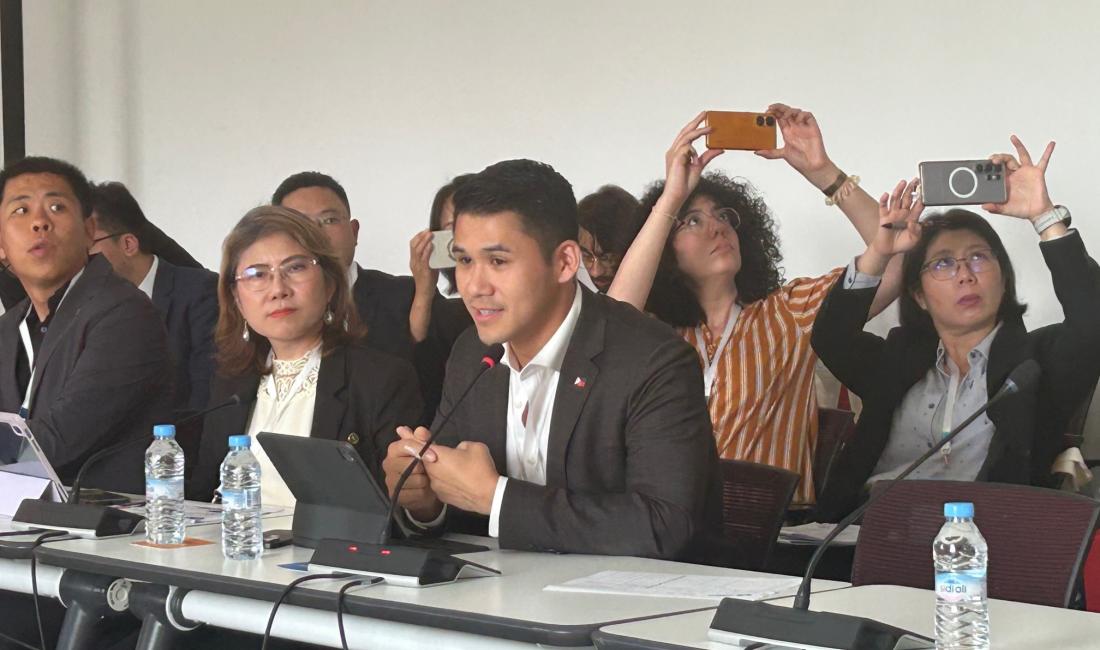
This story is co-published with Zócalo Public Square. Photo of Mayor Dy of Echague by Joe Mathews
The future of democracy is in the trash.
And that might be a very good thing.
The essence of democracy is not elections—which tend to produce oligarchs and conflict—but, rather, self-government to solve community problems. And refuse, in all its forms, is now inspiring some of the most significant innovations in democratic governance around the world.
Indeed, there may be no greater democratic platform than waste management for boosting community problem-solving, deliberation, civic technology, and engagement between regular people and their governments.
The trend goes well beyond the composting required in many Western places, including California, where I live. Waste self-government might be strongest in the barangays, or urban neighborhoods of the Philippines. You can see one award-winning, democratic approach to trash in the city of Lipa, a 90-minute bus ride south of Manila.
A decade ago, Lipa was notorious for its filthiness. Piles of trash filled the streets, lots, and landscapes; the best way to get rid of them was to burn them. National health authorities cited the general filth as a contributor to the city’s relatively high rates of dengue fever.
Lipa had expensive contracts with a third-party, private waste company, which couldn’t pick up trash as quickly as it piled up. City officials noticed that rural communities in the area, which handled their own trash pickup in informal networks, were often cleaner.
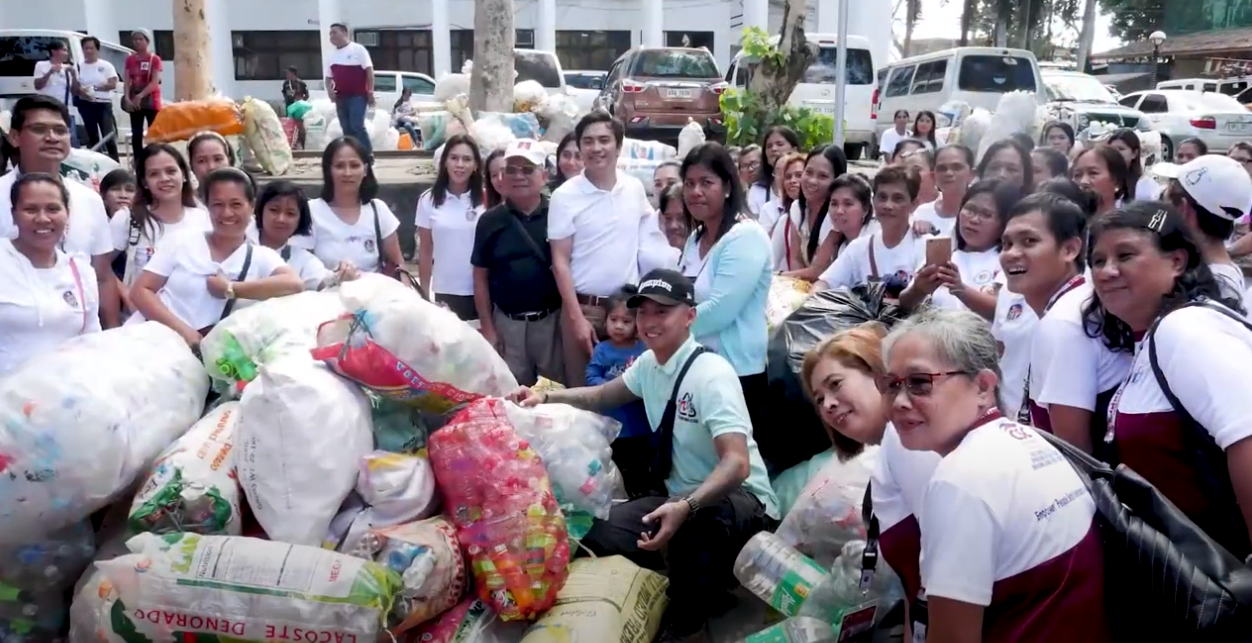
So, the mayor and city government decided to experiment, letting each of Lipa’s 72 barangays handle its own trash pick-up. To incentivize this local work, the city took money it had been spending on trash contracts and established a trust. It then used those funds to compensate individual residents and neighborhoods for the trash that they collected, separated, and transported to designated city locations and local companies.
Over time, neighborhoods organized residents to do the collection work. In most cases, individual residents brought trash to a designated location on a community-determined schedule, where volunteers separated it into recyclable and residual waste. Then vehicles belonging to residents or local businesses (or purchased by neighborhoods themselves) would carry waste to the recycling companies or junk shops that paid the most for it.
Compensation was not always in cash. People took residual trash to the Republic Cement and Building Materials company, which paid them with bags of cement that could be used for home or neighborhood construction and repairs. In cooperation with the city government, Lipa residents soon devised a popular credit-for-garbage points system that they first used to buy groceries or appliances and eventually used to buy cellphones, laptops, or printers. This tech fueled small businesses and new web sites and “neighborhood tech” for organizing residents and solving problems beyond trash, from air pollution to remote learning during emergencies. Neighborhood trash networks emerged as de facto community governments.
Lipa’s system brilliantly highlights several elements of the democracy-through-trash model that center everyday people in larger infrastructure systems. Citizens self-govern, setting up the waste management system and making the rules. They provide services, doing much of the sanitation work themselves, with the assistance of government and corporate partners (like the facilities taking in trash). And they receive rewards—cash or points, tech or cement—that facilitate further self-government and service delivery.
Lipa’s program won the city a top democracy award from the International Observatory on Participatory Democracy, an affiliate of the world’s largest municipal association, United Cities and Local Governments. (I met Lipa residents involved in the program at an UCLG event.)
Lipa is hardly the only place of innovation. Brazil and Colombia are known for local waste-picker cooperatives, governed democratically by participants. Indonesian cities have pioneered the Bank Sampah or waste bank concept, where residents receive payments to individual savings accounts based on the weight of the trash they turn in.
Governments encourage such programs for three big reasons. First, China’s 2018 decision to stop accepting recyclables and other trash from outside the country’s borders has forced more communities to handle their own trash. Second, national governments, beset by political conflict, are providing less support for local-level services. And third, trash self-governance is increasingly seen as an anti-corruption measure, allowing everyday people to replace waste-hauling contractors who can have ties to organized crime, according to the United Nations Office of Drugs and Crime.
Trash democracy is appearing all over the world, but local governments in the Philippines have pursued it with particular fervor, making adjustments through ups and downs.
At a recent municipal conference in Morocco, I met Mayor Faustino “Inno” Dy V, who is president of the Philippines’ league of municipalities and previously led a national group of neighborhoods. Last year, he was elected mayor of Echague, a city of 91,000 in the province of Isabela.
Dy said that, for all the successes in municipalities across the country, his city was among those that have struggled to sustain community participation in garbage collection and segregation of daily food waste. So, he added a decentralized, community-based market system called Bigas Palit Basura, or Recyclables for Rice.
Echague residents exchange sorted recyclables—such as plastic bottles, glass, and cardboard—for a corresponding allocation of rice. Mayor Dy argued that Recyclables for Rice addresses food security and inflation by providing a staple food to families, and helps put a tangible economic value on recyclable waste.
To help improve the program and make it endure, the mayor added, the city expanded its reach into local public schools via a recycling competition. Students have become primary collectors of recyclables as they compete for collection points.
Recyclables for Rice has gone so well that neighboring municipalities have joined. Through the municipal league, Dy is now preparing to take the program nationwide.
“May pera sa basura” is a now popular Filipino phrase meaning “there is cash in the trash.” There’s democracy in trash, too.