We often use the word ‘complex’ like a safety net, a way to sound thoughtful without really engaging with what we don't understand. But Bosnia doesn't let you get away with it.
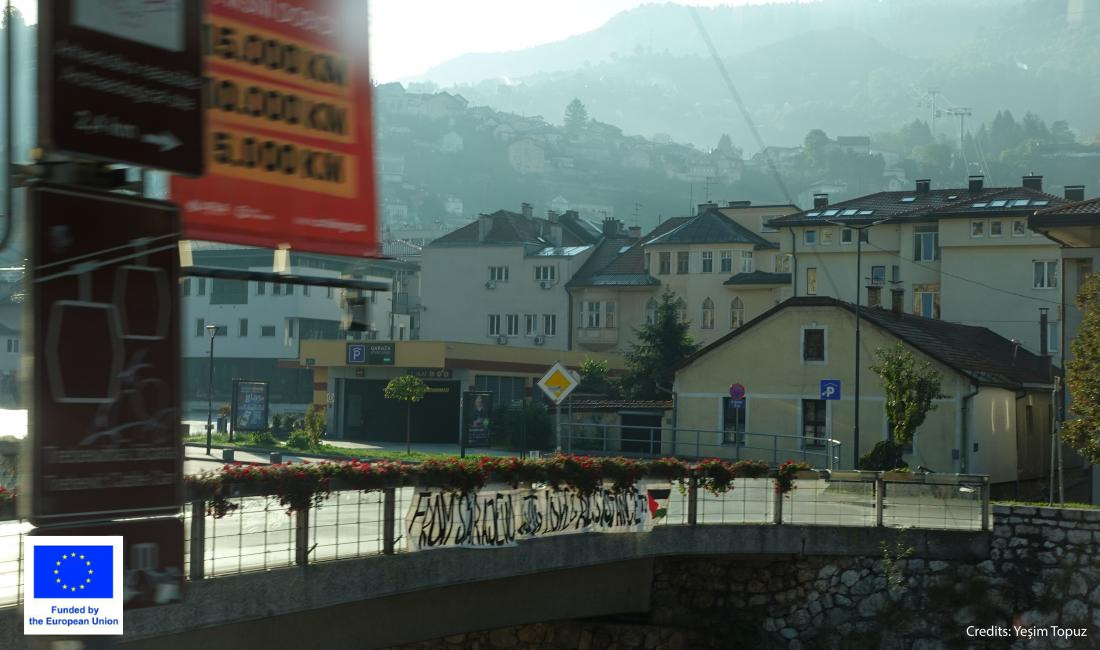
In Sarajevo, complexity isn't an abstract idea; it's in the air you breathe. It is engraved on every wall – the national library, universities, and civil homes. It is in the way three ethnicities share the same cafés, streets, and jokes, yet live with invisible lines that still shape their futures.
The tension between interwoven lives and invisible divisions, along with the way history literally marks the landscape, is the essence of Bosnia's complexity. What does it mean to be confronted with complexity that's not theorized but lived?
Walking through Bosnia's capital feels like walking through layers of time. You see traces of the Austro-Hungarian and the Ottomans, only 5 minutes apart on foot. You pass sleek cafés filled with students on their laptops, only to turn a corner and find a wall pocked with bullet marks that no one has bothered to plaster over. If they're plastered, they're not painted over. The war isn't a chapter that closed; it's a page that remains half-turned.
During my exchange, I kept hearing how Bosnia is a place of coexistence. Living alongside difference, even when that difference carries grief. And yet, for all the visible wounds, life goes on. You have Bosniaks, Bosnian-Croats, Bosnian-Serbs, all sharing the same streets, classrooms, and even language, but identity here doesn't stop at borders. You have Serbian-Serbs, Serbian-Bosnians, and so on. During the war, Serbian-Serbs fought, but so did Bosnian-Serbs, people from the same land, sometimes from the same neighbourhood, divided by lines that outsiders could barely grasp.
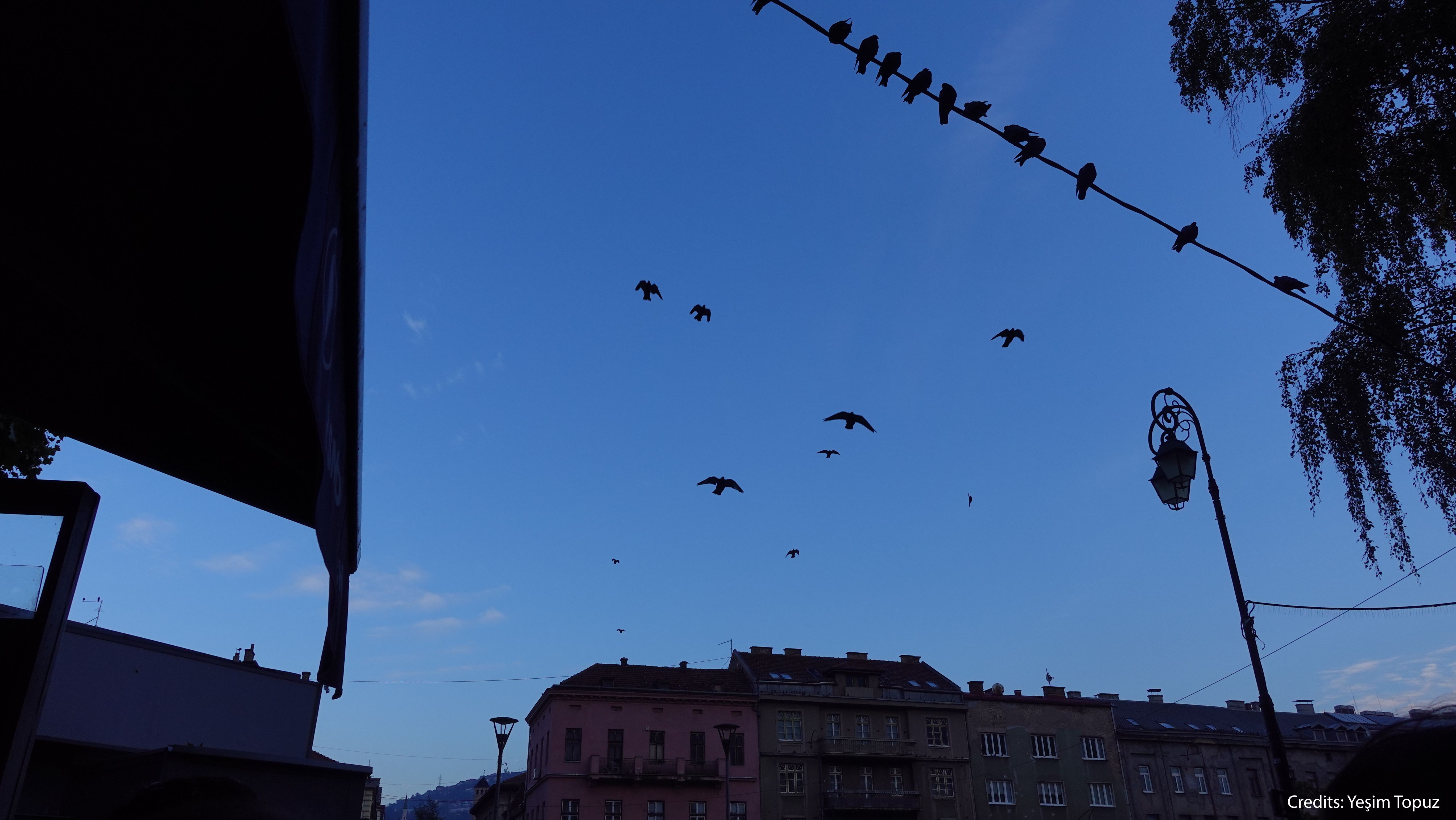
Today, these divisions haven't vanished; they've just grown more isolated, folded into politics and paperwork. The country is stitched together by a delicate constitutional compromise. A state that functions, but just barely. Ask about their path to the European Union, and you'll hear a sigh before you hear an answer. The desire is there, but so is exhaustion. Every day, democracy remains stretched thin, almost held together by habit rather than trust. People don’t really share a single public conversation here; they live in different informational worlds. Serbians follow media funded from Belgrade, with its own tone and priorities. Bosniaks follow their own outlets, Croats theirs. Minorities barely appear in any of these stories. In Mostar, you can literally see this split on the ground. On one side of the city, the hospital and university are financed by Serbia, and even the alphabet on signs reflects that influence. Walk a few minutes across the invisible line, and suddenly you're in institutions financed by Croatia: Croatian university, Croatian hospital, Croatian curriculum. Same city, different resources. And somehow, it all functions, but only because people have learned to live with the democracy that doesn't quite belong to anyone and yet still shapes everyone's daily life.
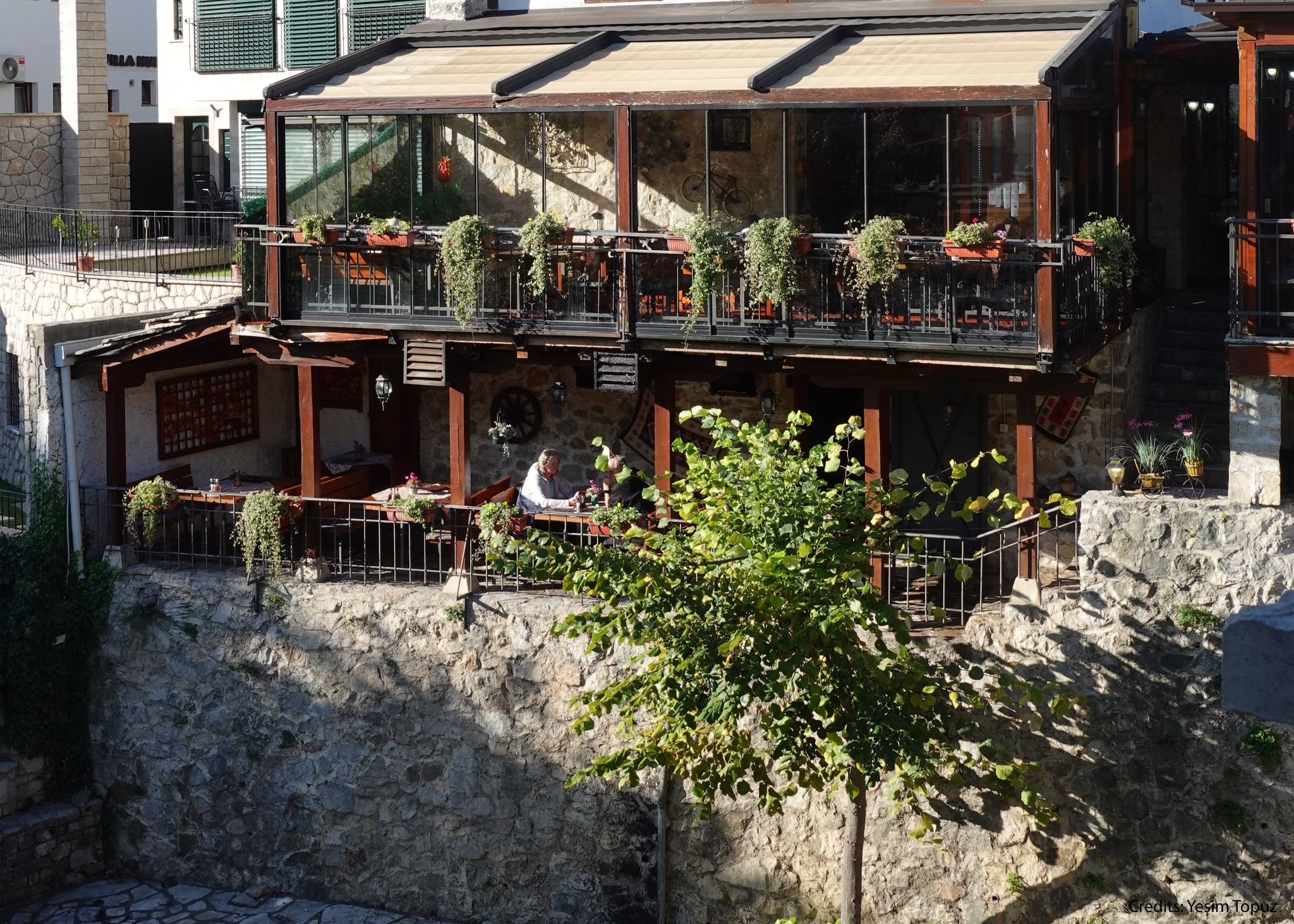
"If you're smart, you're not staying in Bosnia.", someone told me. It wasn't said with pride or bitterness, just tired realism. For many young Bosnians, the future doesn't feel like it's waiting at home. "Bosnia will always be where you left it at", another one told me. They love their country, but also see a system that keeps circling the same political dead ends. A country where jobs depend on party loyalty, where reform is endlessly promised but rarely delivered. Everyone is exhausted. The irony? The very people Bosnia needs most are the ones most likely to leave.
The visit to Srebrenica was where that complexity stopped being intellectual. Standing among endless rows of white headstones, I heard some of the Bosnians mention that several shared the same last name. At that moment, I understood how history is never entirely past. It's inherited, whispered through families, carried in names.
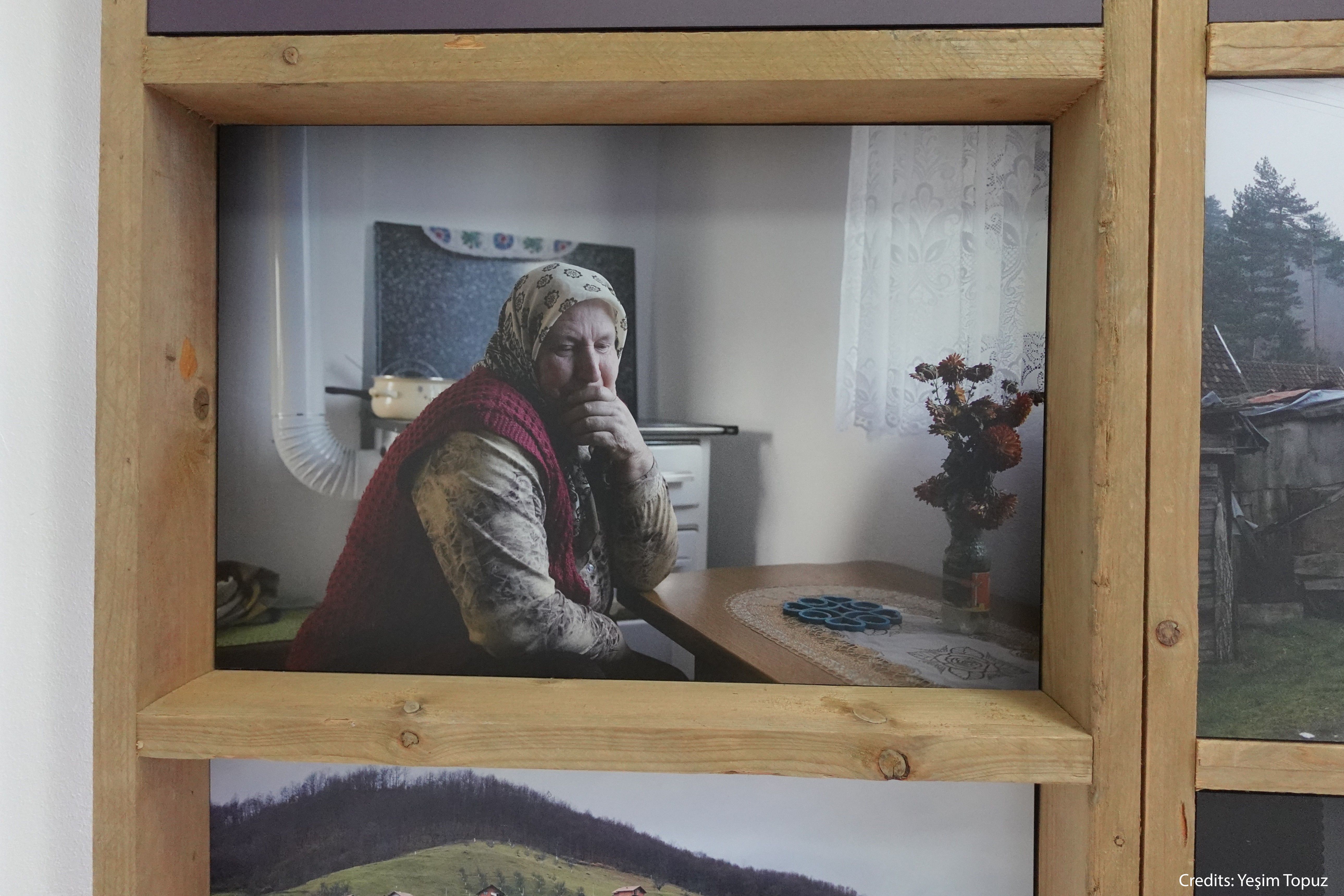
Before Bosnia, I couldn't imagine what they meant when they said that a 'conflict' is complex. But there, it is reality: The sound of laughter echoing off bullet-market walls. It is the sight of a country still healing, even as its youth quietly pack their bags.
It made me realise: sometimes, just choosing to stay is its own quiet act of resistance.