2 Turkish Cities Are Models of Local Democracy in an Authoritarian Nation
The latest in our regular feature, following the never-ending travels of democracy reporter-and-supporter Bruno Kaufmann, global democracy correspondent for Swiss Broadcasting, and founder of the Global Forum on Modern Direct Democracy and board member of Swiss Democracy Foundation.
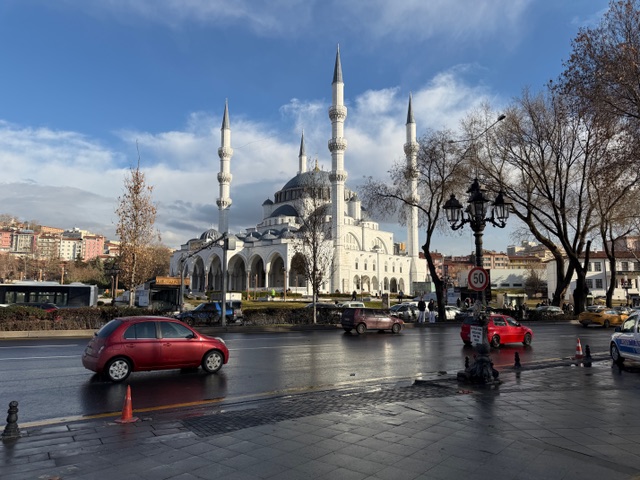
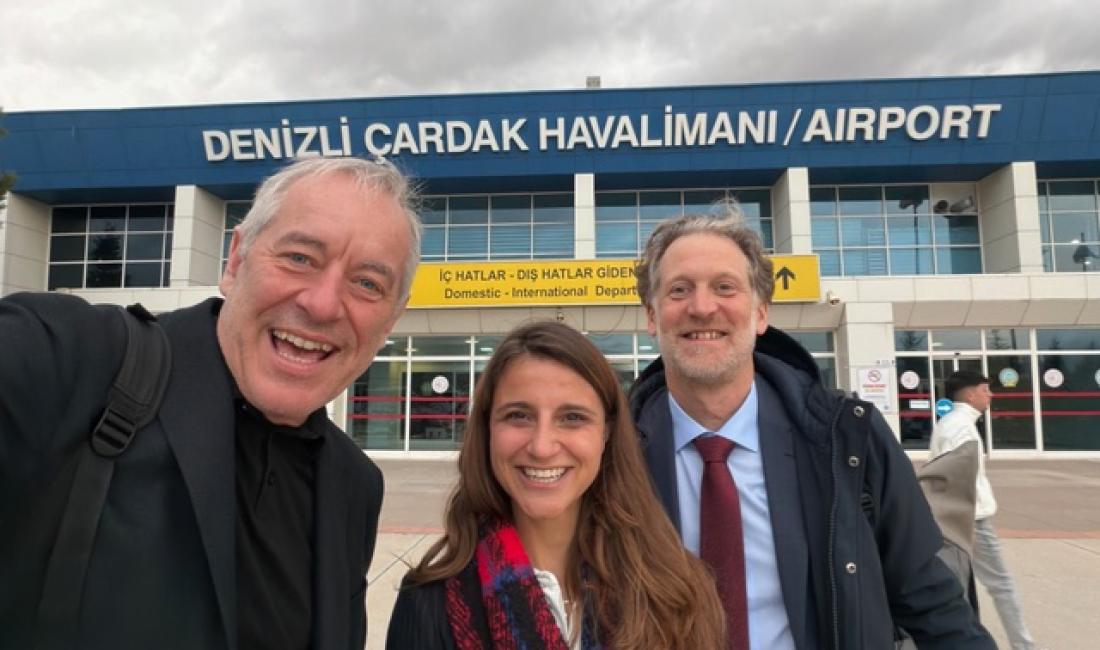
I was surprised and impressed by my visits to Ankara, the capital of Turkey, and to the western city of Denizli.
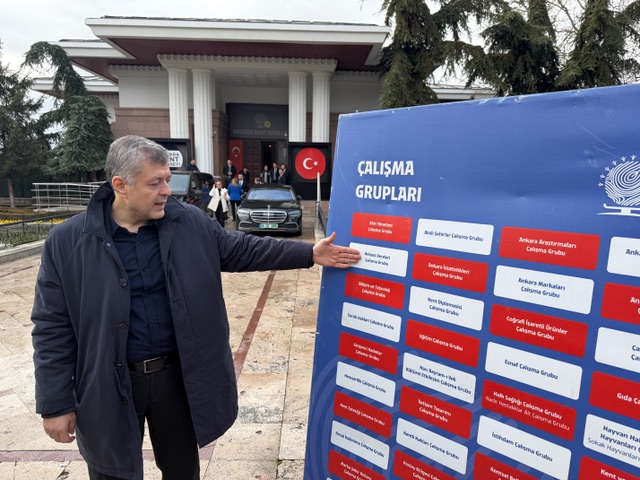
I was there in my capacity as an evaluator for the European Capital of Democracy. Ankara and Denizli are two of the four city finalists for the award.
The people in both cities have so much leverage at the local level, so many possibilities, and so many world-class things they are doing.
Local officials have to be cautious. Under President Recep Erdogan, the Turkish government has 15 mayors now in prison from the opposition party. Erdogan has the legal services and justice system under him so much that he can fabricate things against opponents. But the Ankara mayor and the city have found ways to do things for the people.
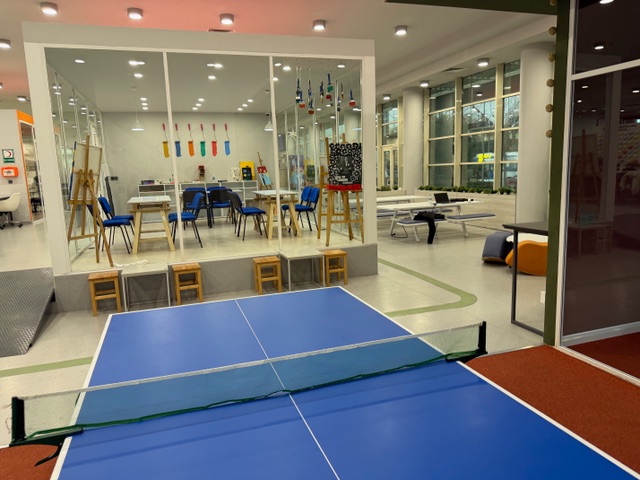
Especially the young people. Ankara has 6.5 million, and all over the city they have created kinds of spaces to support young people, and free spaces for meetings, that are affordable nad offer food and drinks. They have democracy centers in subway stations—and all over the city, and are adding more
I visited the permanent house of the citizen assemblies that help govern Ankara. Before it was a house for citizens, it was the guest house of the mayor, which he used for official receptions. Now it’s an open space and it’s full of people.
The mayor is popular with the young people, and the city works to implements all this stuff. He makes a point of reaching out to 50 citizens a day, and he answers letter personally. But, to get it done, the city work with volunteers, and especially with people from the university, who aren’t paid. It’s very much a coalition between city government and education institutions. .
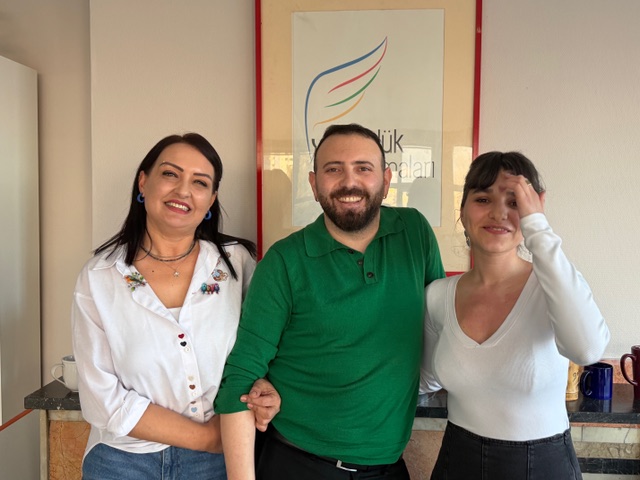
This is an interesting combination. Because we always ask these people who we met, do you that voluntarily? And they say yes, that is our contribution to democracy and society. Among these contributors are Savas Zafer Sahin, who has worked for civic participation in Ankara and published the book, Participatory and Resilient Urban Governance: the Case of the Ankara Citizens Council.
Many of the young people we met said they understand the pressure of a more authoritarian government, but then add that the situation is an opportunity for local participation. We’re a young nation, I was told over and over, and we see a big future for democracy in Turkey
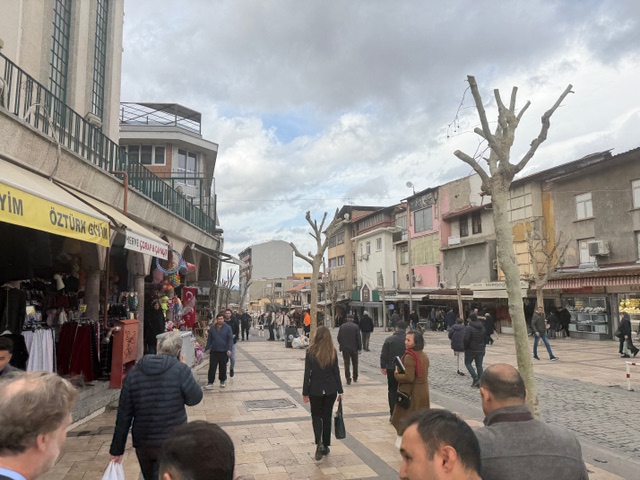
Denizli is different from Ankara. It’s a newer place, with more than 1 million people, a working-class city of industry and textiles. It’s very modern, and people there talk about the future, and not so much about looking back. There are many tourist places in and around it. And it’s so close to the sea and the mountains, that you can ski the slopes and swim in the se in the same day.
The mayor was very accessible. He’s like a small-city mayor, walking around the city. And he surveys all the transportation work the city is doing—they’ve been creating spaces for people to bike and to walk. And they do this work step by step, creating consensus through conversations with people. If people aren’t in favor of closing a particular street to car traffic, they listen, and they try something else.
Denizli has a great commitment to creating places, coffee shops, recreation for handicapped children and people. We also saw the city investing in bringing poor people into society. They have child care for mothers who are not well off to make working life possible.
They try to integrate everybody. You don’t see many homeless people on the streets. It feels like a city that really cares about each other.
Change is possible in Denizli and Ankara because local government has power. Perhaps too much. The mayor of Ankara told me he would like to limit the powers of the mayor. It’s too much for one person.
He’s a smart guy. He had a big learning process in life—he started as a military prosecutor and member of the right-wing party, and now he’s a social democrat
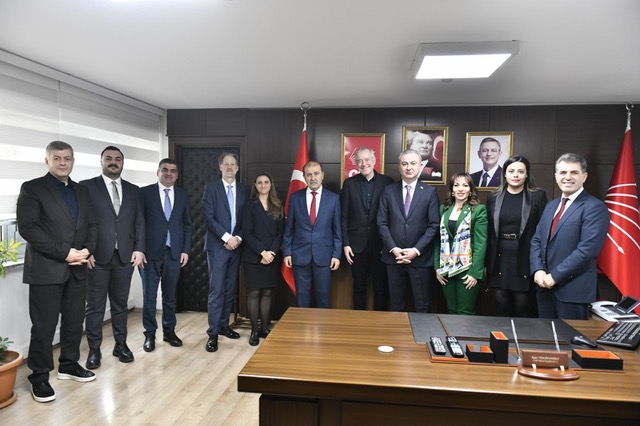
What was surprising in both cities was the local collaboration between parties. Both cities are governed by social democrats (who are the opposition nationally), but the councillors from the Erdogan party (the opposition in these cities) and the other nationally listed in party are also strongly committed to democracy, and to these European Democracy Capital applications.
Turkey, and these cities, are highly competitive politically. While state and public media are under the government, social media is free—and very important. People can express themselves