Watching How Local Democracy Made Orban's Defeat Possible
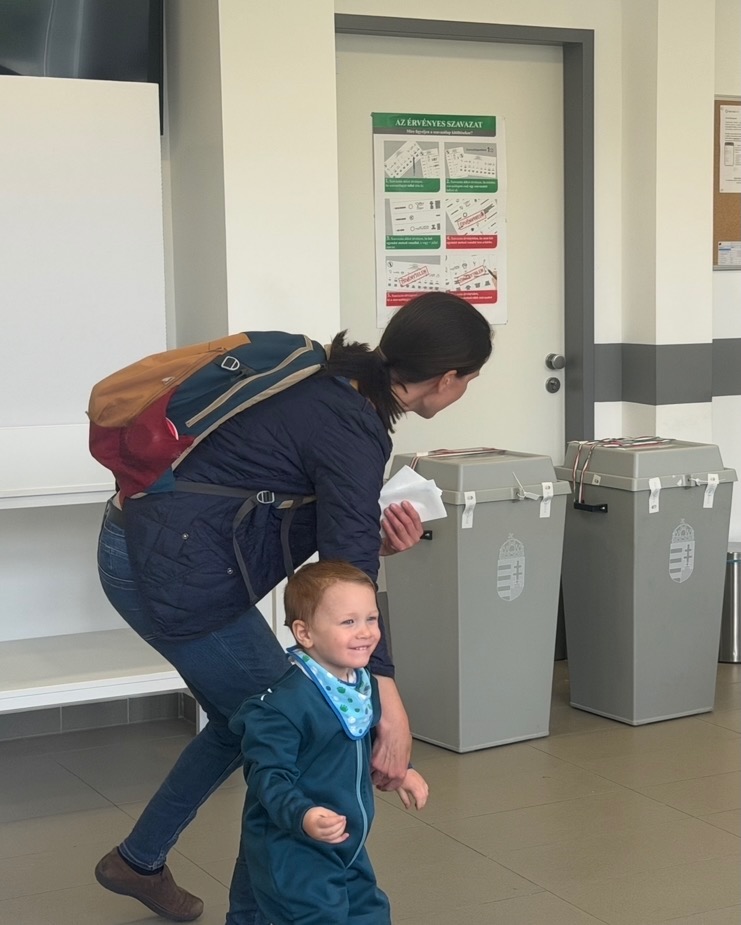
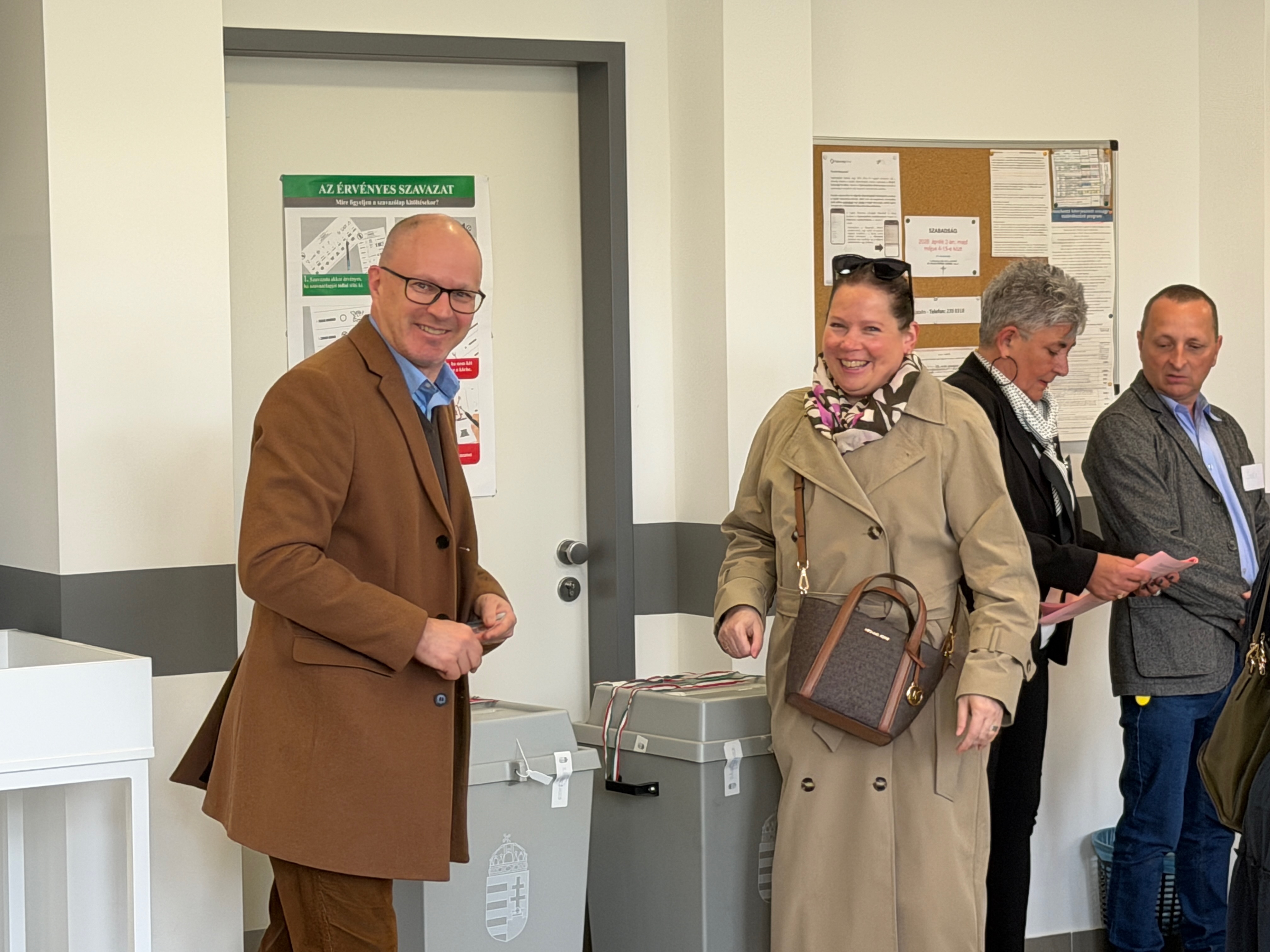
I was in Budapest on April 12, arriving at a ballot station at 6:00 AM on election day. While there were widespread rumors that Viktor Orbán would manipulate the results or find a way to win anyway, the scene on the ground told a different story.
There were crowds of people waiting outside, eager to witness the opening of the empty ballot boxes. They were there to make sure that boxes were empty—and not pre-stuffed with phony votes.
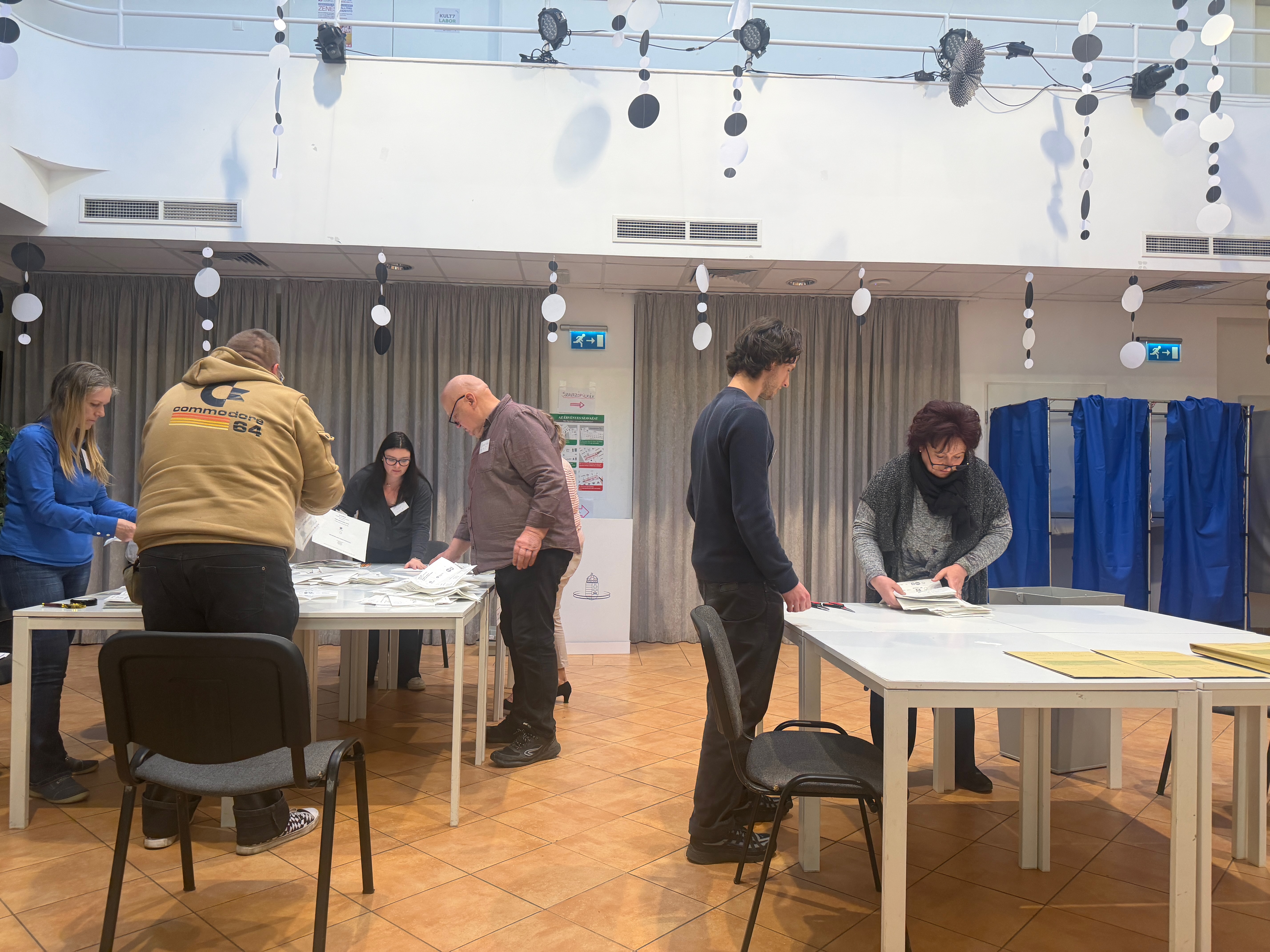
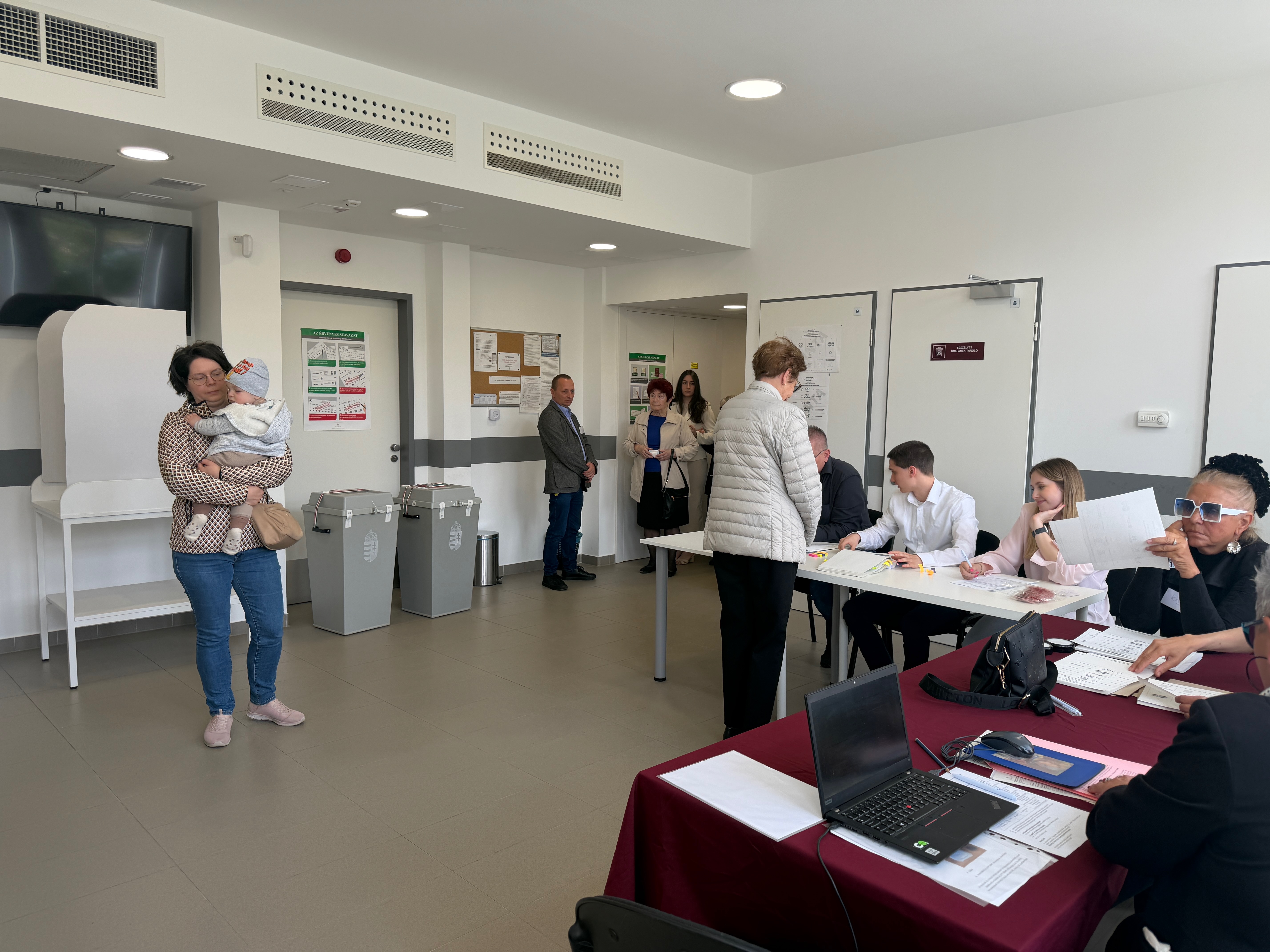
What struck me immediately was the impressive atmosphere; it was friendly, orderly, and surprisingly peaceful. There were no police in sight, as no one expected anyone to do anything wrong. As a press representative, registered with the election commission, I was welcomed into the stations where observers from every political party were present to monitor the process.
The day was defined by a massive, historic turnout. Voter participation hit 80 percent, a significant jump from the usual 60 to 70 percent. Young people turned out in high numbers. The election commissions performed their duties exceptionally well, ensuring the day remained incident-free.
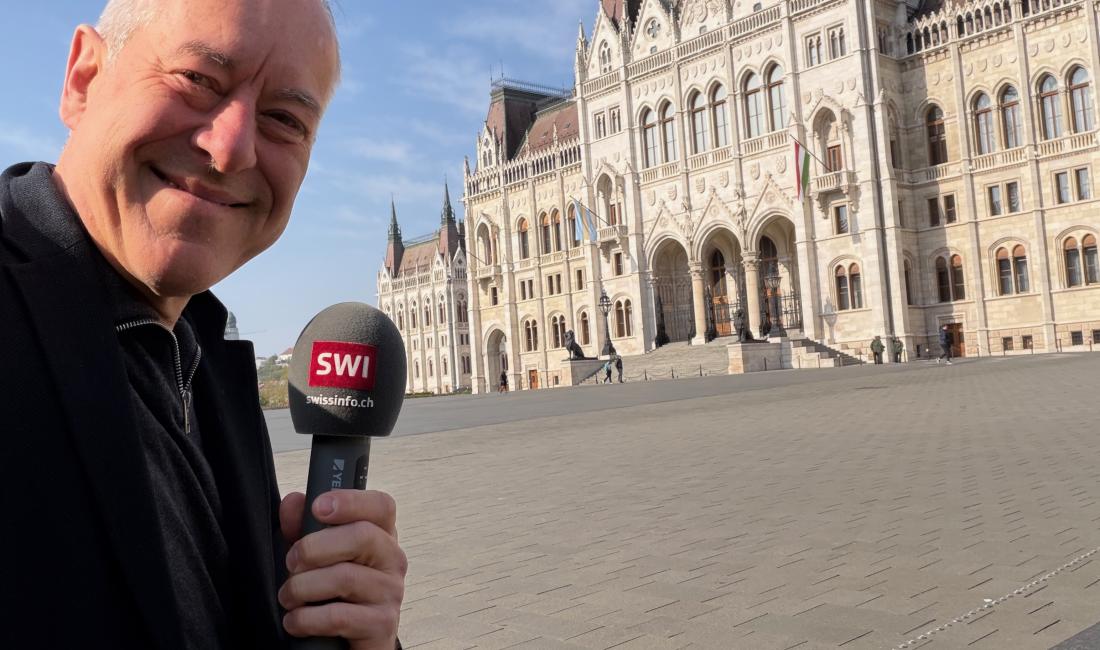
I spent the day following voters, including a Swiss-Hungarian man who was voting in Hungary for the first time. After living in Switzerland for 54 years, he decided it was finally time to return and cast his ballot—a story I covered for Swissinfo.
The victory was a testament to the strength of local democracy.
This movement didn’t appear out of thin air; it was built from the ground up. I met people I had previously encountered at City Hall who have been working to protect democratic spaces for over a decade. While national democracy struggled under Orbán’s “strongman” image and his use of emergency laws to limit parliamentary power since 2015, the locals kept the flame alive.
I spoke with my friend Zoltán Pállinger, a professor and president of Andrássy University. As a Swiss citizen and son of Hungaroian exiles who eventually gained citizenship, who eventually gained citizenship, he has spent years upholding a conversation about democracy. In his office sits an old, incredibly ugly sofa from the Prime Minister’s office, a strange relic of the outgoing administration. At his election party, the sense of relief was palpable; after years of “working underwater” to maintain opposition, there was finally a sense that they could build something new
Before the votes were even half-counted, the unexpected happened: Orbán conceded. Despite his control over the system, he has never (with the exception of the 2022 election) secured more than 50 percent of the popular vote. In Budapest, the results were a landslide, with opposition parties winning 80 to 90 percent of the vote in many districts
The moment of concession felt like the falling of the Berlin Wall. The streets and metros erupted in celebration as the heaviness of recent years lifted. The feeling mirrored 2008 when Barack Obama was elected in the United States, which I was visiting at the time. All over Europe, people celebrated this as one of the strongest moments for democracy in a long time.
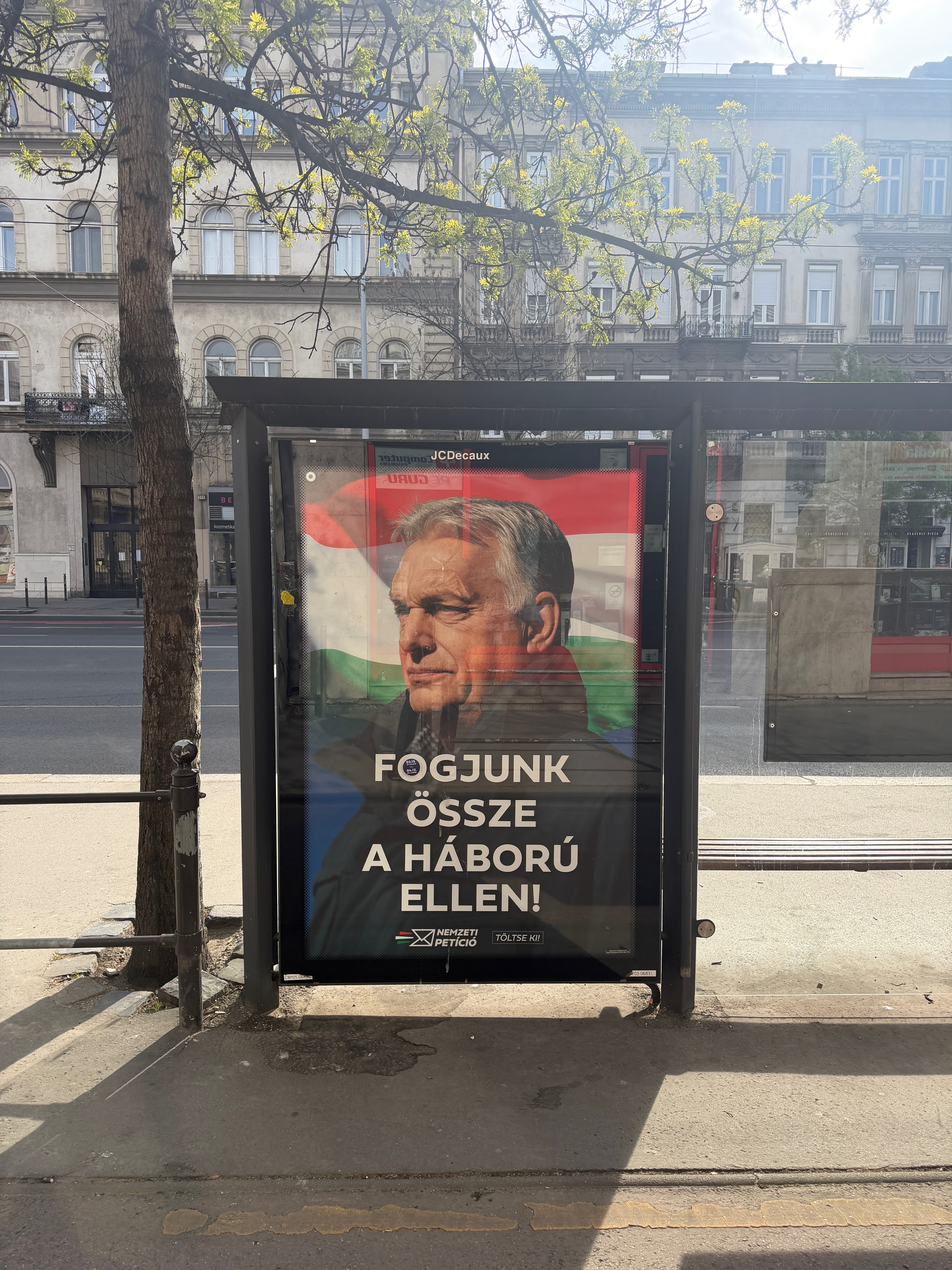
Despite the joy, the path forward remains complex. The election system Orbán designed is “very strange”—it allows a simple majority to be transformed into a super-majority, with 53 percent of the national vote yielding 85 percent of the constituencies. He had also replaced genuine referendums with a top-down “consultation system” used as a campaign tool.
There is also healthy skepticism regarding the new figures in the movement. Péter Magyar, for instance, comes from the same circles as Orbán, leading some to wonder if he is truly the person to save European democracy or just the man who happened to defeat a visionless incumbent.
Regardless of the challenges, this election proved that people have lost their fear. The local election commissions, which worked independently of the Fidesz-leaning national commission, did their jobs with integrity. For one night in Budapest, it felt like everyone had finally taken back democracy in a decent, powerful way.