Can a City's Local Democratic Model Spread in Nov. 4 Elections?
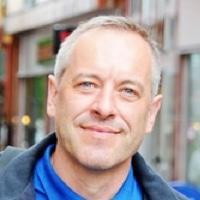
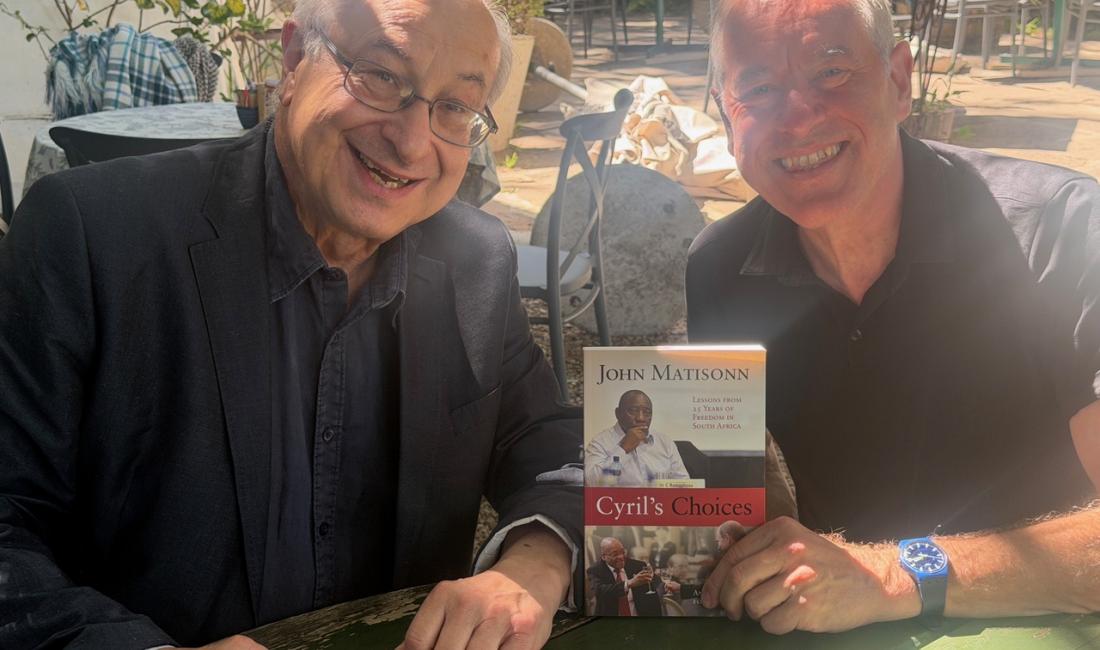
John Matisonn (left) is one of South Africans most renowed veteran journalists and is still very active in promoting democracy. Photos by Bruno Kaufmann
by BRUNO KAUFMANN
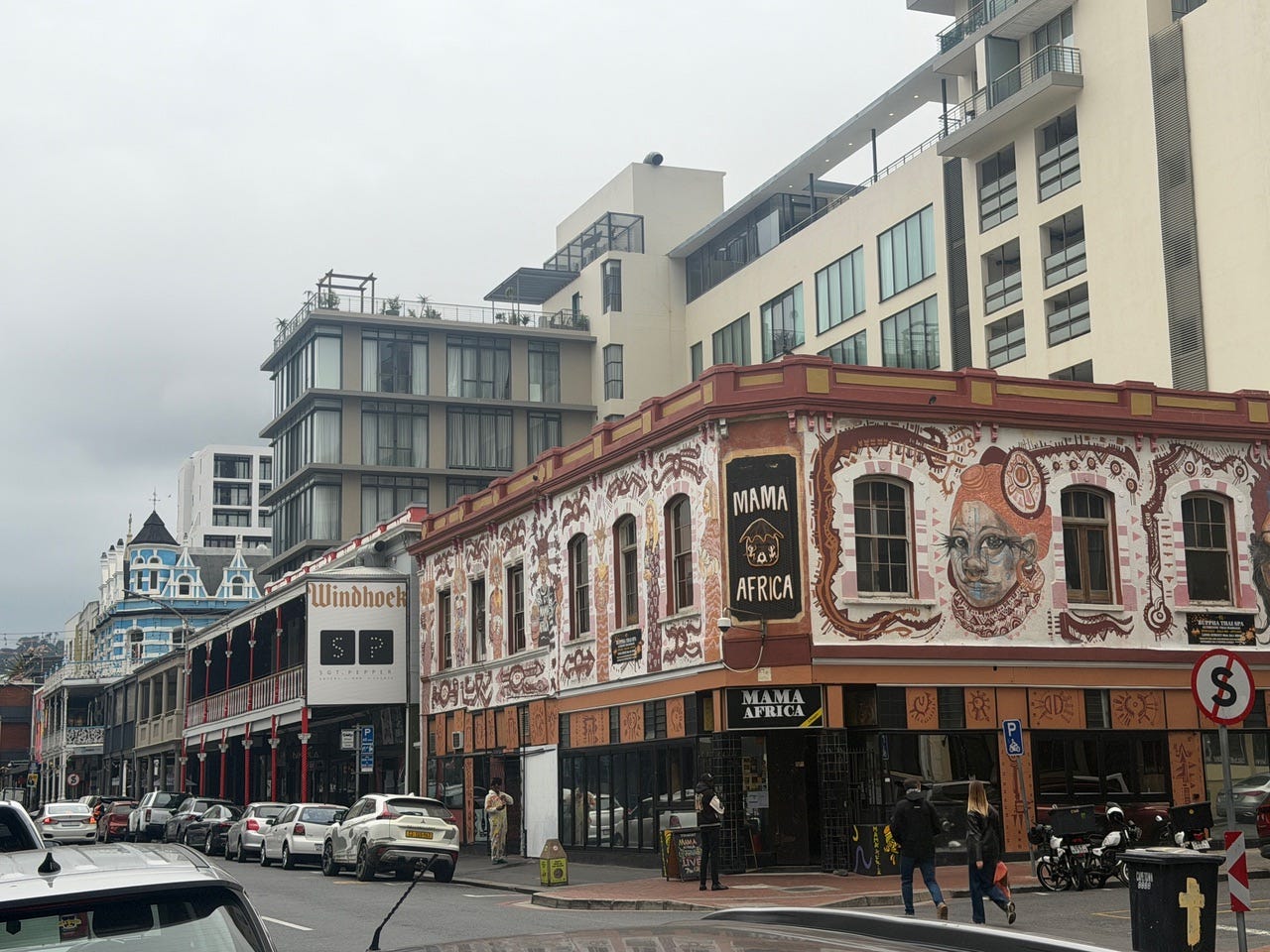
After the conclusion of the 2026 Global Forum on Modern Direct Democracy in Gaborone, Botswana, I spent four days in Cape Town, South Africa. It is a fascinating place, and not just for democracy.
Its geography makes it stunningly beautiful—mountains meet valleys, which meet bays. It is a place of extreme contrasts where you have very wealthy and very poor areas located close to each other. These divides were obviously created during apartheid, when the government developed the city in ways that pit groups and races against one another.
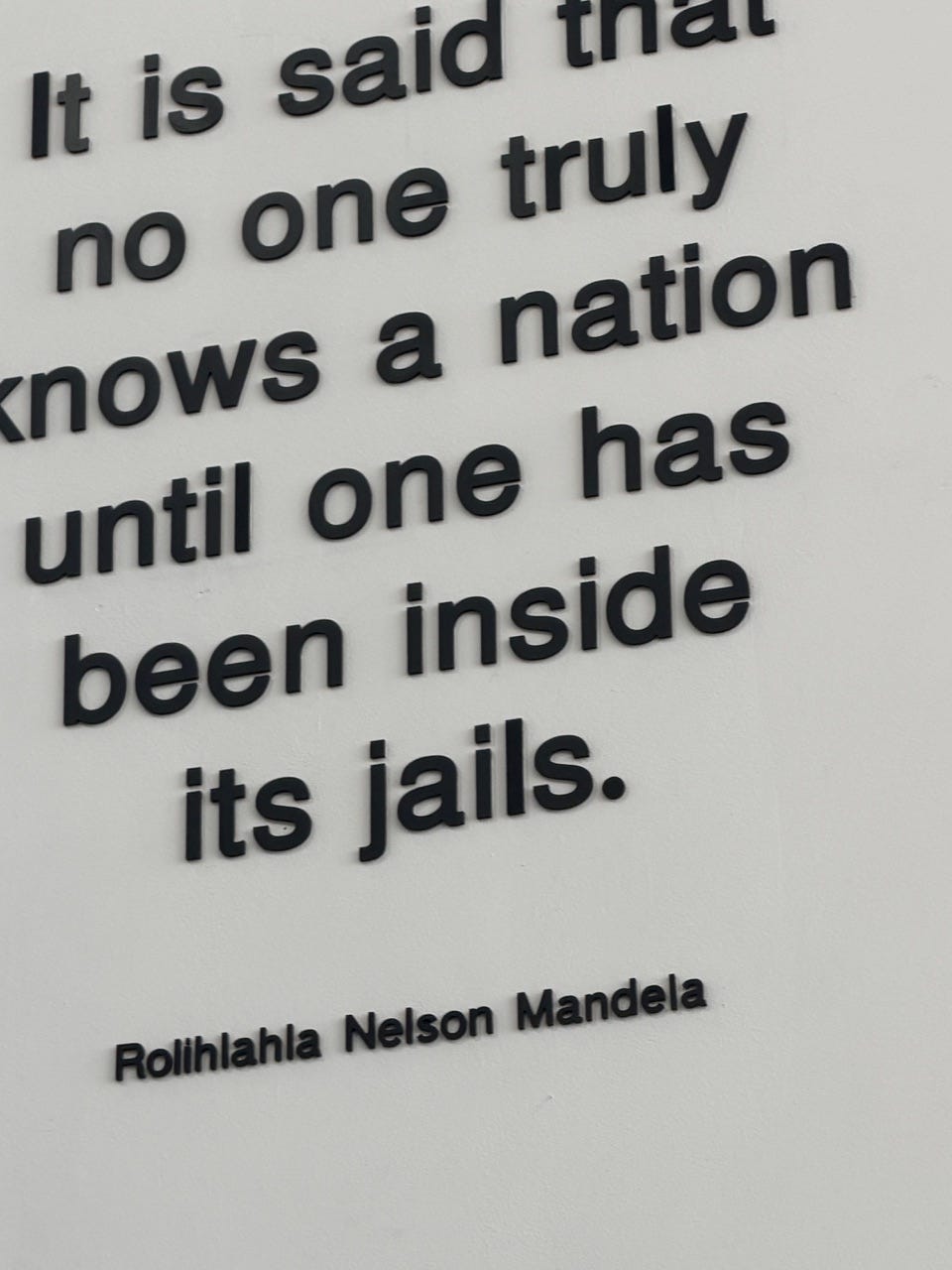
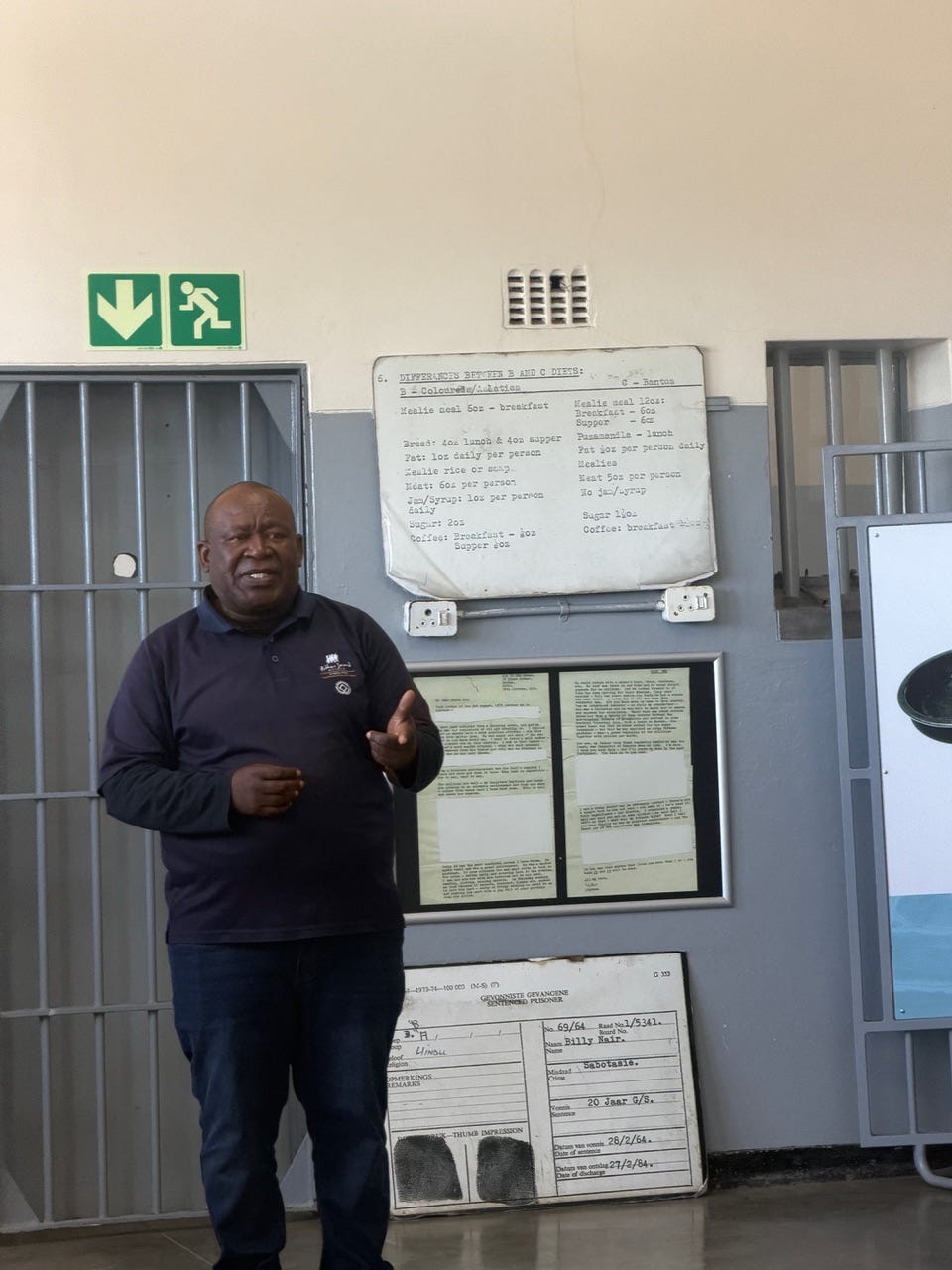
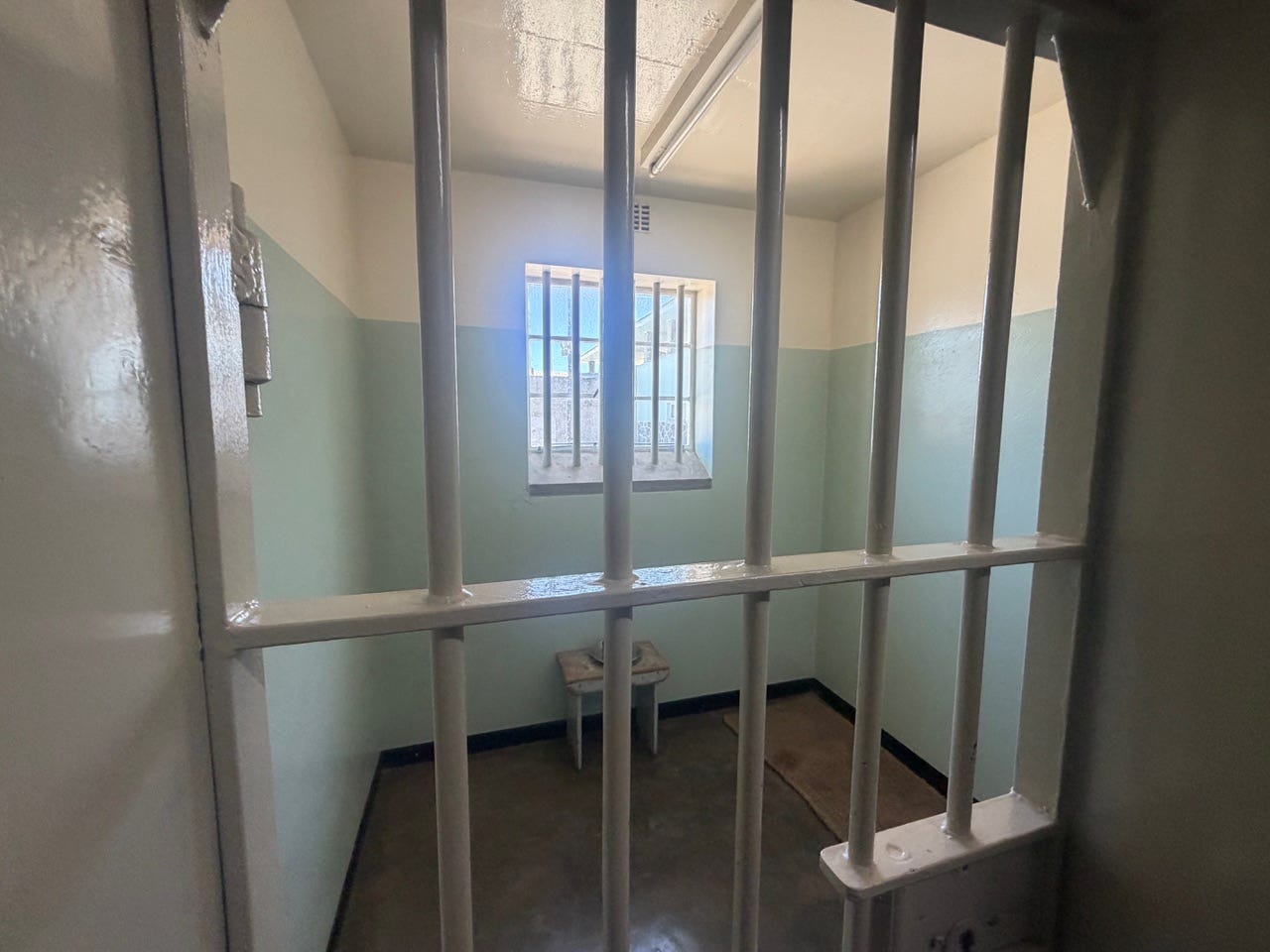
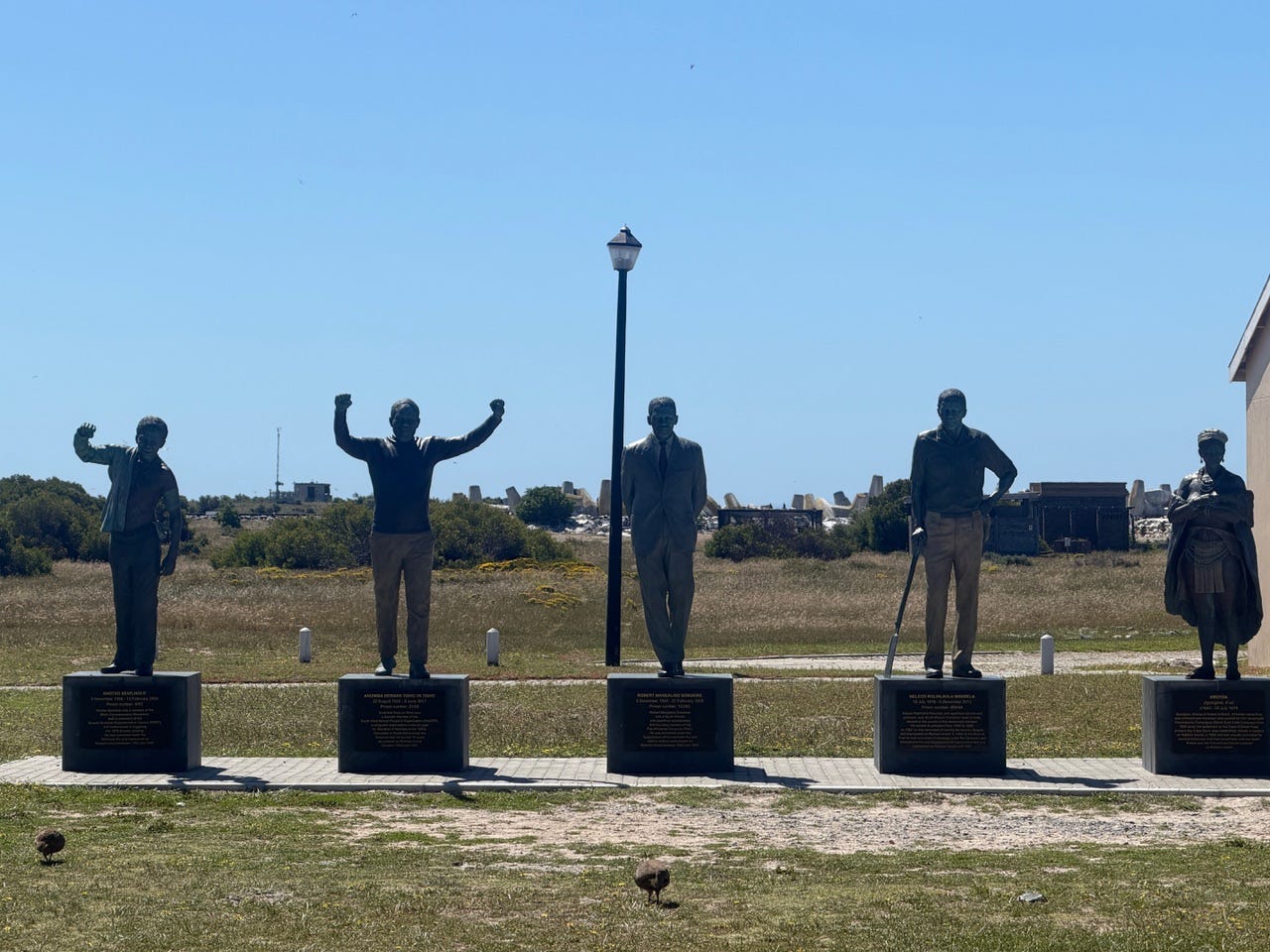
This system of division was even replicated in the prisons. We visited Robben Island, where our guide—a former prisoner and trade unionist—told us powerful stories about the system and the torture that occurred there. Yet, despite all its limits and challenges South Africa today is a much better place.
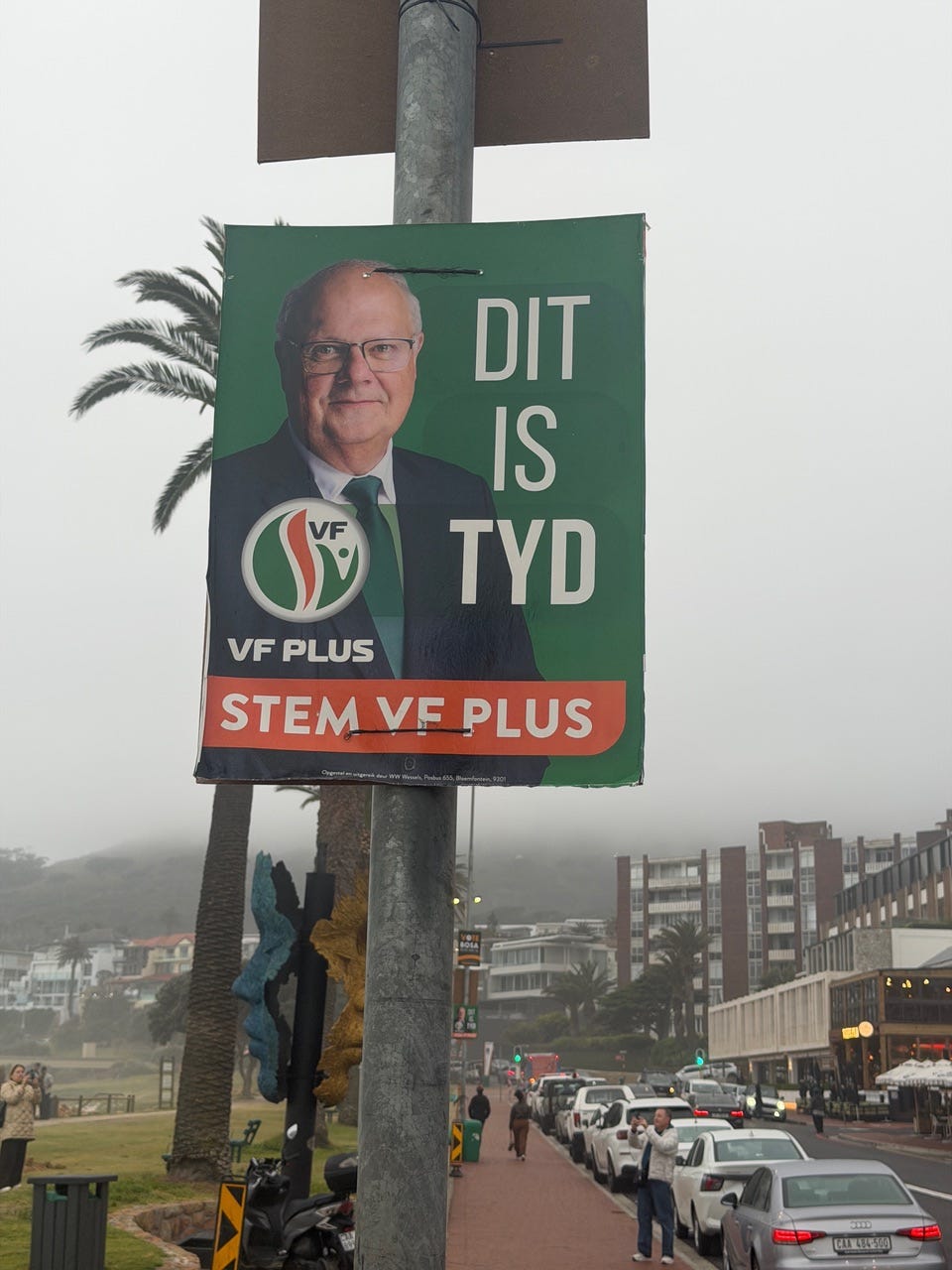
So is Cape Town. On November 4, local elections will take place across all of South Africa. Cape Town, the country’s legislative capital, as home to the national parliament, has become the poster child for local governance. For years, it has been the best-run city and province in the country, boasting the best infrastructure and the least corruption.
The Democratic Alliance (DA), the opposition party to the national ANC government, has held the majority in Cape Town for years. Now, the idea is to transfer this successful governance model to other places. In the November 4 elections, Helen Zille, the former mayor of Cape Town and a main figure in the DA, is now running for mayor in Johannesburg. Johannesburg is the seat of South Africa’s executive government and is in very bad shape after years of corrupt leadership. Zille is running to bring Cape Town’s democratic culture and pluralistic governance to Johannesburg.
Cape Town itself remains a testing ground. As we look toward the November 4 elections, it will be interesting to see how this more pluralistic democracy may spread. In Cape Town alone, there are now 55 parties running for the local council, which means the DA will probably lose its dominance. This represents a new face of modern democracy in South Africa. A big question is how this new pluralistic approach will translate into governance.
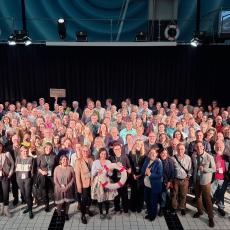
Because Cape Town has many participatory and deliberative processes, it acts as a testing ground for democracy not just in South Africa, but in all of southern Africa. At our Global Forum in Botswana, we had attendees from many countries who knew all about the Cape Town experience of building strong local governance in a post-apartheid society. Helen Zille and the current mayor, Geordin Hill-Lewis, have sought to share power and experiment with new ways of citizen participation in decision-making.
At a newly established cultural hub in southern Cape Town, the Montebello Design Centre, I met with the veteran journalist John Matisson. The now 76-year old descendent of a Jewish South African family in Johannesburg has been an early critic of the apartheid system, and was often persecuted and prosecuted. He later became one of the leading media professionals to establish and develop the public South African Broadcasting Corporation SABC, the country’s most trusted institution today. John told me about a new endeavor to support the transformation of South Africa’s democracy into a truly participatory and compromise-seeking one.
The realities on the ground can be sobering. Safety is a big issue, and it is very localized. Every Uber driver told us exactly which areas we should avoid, and it is almost an unwritten rule that visitors don’t go beyond certain bridges. It reminds me of the first time I was in Philadelphia in the 1980s, when people would warn me not to go down that street or into that neighborhood, where gangs or other dangers lurked.
To cap off my visit, I went to the University of Cape Town to visit the Institute for Democracy, Citizenship and Public Policy in Africa (IDCPPA). Professor Jeremy Seekings, who is the head of the center and was also at the Global Forum, invited me for a conversation with his team. It was a very encouraging visit. In this university center, I met democracy experts and students from all over southern Africa, from Angola to Mozambique, working to improve democratic knowledge and research.