Visiting the Most Democratic City in France
by BRUNO KAUFMANN
Grenoble, located just two hours south of Geneva, is very much a French hotspot rather than an international one. Nestled in the middle of the Alps, the city possesses a distinct “Alpine spirit” and a deep history of active citizenship. It is widely recognized as the true starting point of the French Revolution—sparked in 1788 by a popular uprising against the nobles known as the “Day of the Tiles.”
Through industrialization, the city developed early associations for workers and democratic organizations dedicated to education, healthcare, and collective political action. Later, the city gained fame for the 1968 Winter Olympics—the games where Jean-Claude Killy won all the medals—which kicked off an early process of urban renewal.
Today, Grenoble has evolved into the most democratically developed city in France.
The modern leap forward began in 2014 with the election of a Green, left-wing mayor. What is most fascinating about the resulting municipal approach is the synthesis of different democratic models. Leveraging the city’s proximity to Geneva, Grenoble combined the participatory budgeting framework pioneered in Porto Alegre, Brazil, with Swiss-style direct democracy, integrating both into their reform experience.
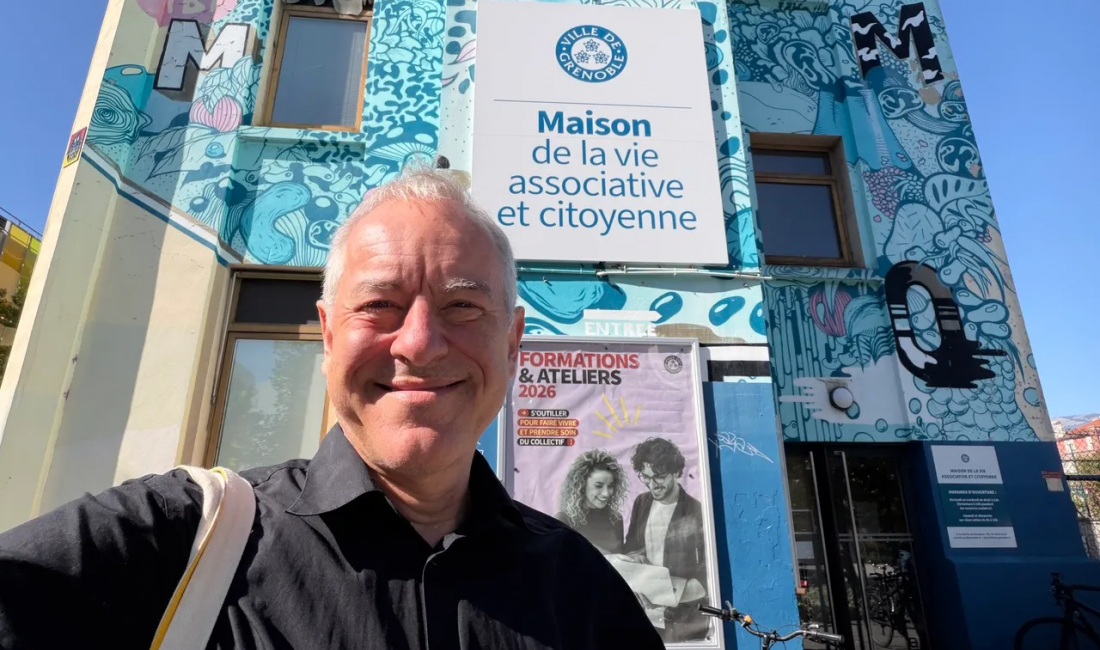
To support this, Grenoble has built an extensive infrastructure for participation. The centerpiece is the “House of Associations”—a fascinating democracy center featuring meeting spaces and many people and organizations engaging local citizens, and each other. The center is housed in a beautifully remodeled older building, conveniently situated between the historic city center and the newer developments and shopping malls, alongside a number of sporting parks.
While the city of Grenoble has a population of 150,000, the broader metropolitan area is home to roughly half a million people. About ten years ago, France introduced the Metropole—a new level of functional association for cities governed by an elected body.
This metropole level of government is becoming increasingly vital to participatory democracy and government services—handling major infrastructure and waste collection before the municipalities do. I received a crash course from the leader of the Grenoble Metropole on their efforts to bring decision-making closer to the people. While the city of Grenoble already has tools for citizen initiatives and referendums, leaders are now fighting to elevate these direct democracy tools to the Metropole level.
Grenoble, as city and Metropole, has become an inspiration for cities across France. Grenoble previously hosted the world conference of the International Observatory on Participatory Democracy (IOPD) and are currently leading the coordination of participation and direct democracy across the country. This work is culminating in a European gathering of cities in Dijon at the end of November.
Despite these successes, Grenoble and its democracy supporters have found that navigating the French political reality presents significant hurdles and institutional challenges.
It is difficult to be experimental in France. Local administrations, including Grenoble’s, are accustomed to looking to Paris for direction and are highly fearful of being punished by the courts or the central government for testing new, potentially “illegal” local frameworks.
At the province/district level (the Départements, which can contain millions of people), leaders often wield power as if they were kings, mimicking the dynamics of the national government. There’s also the problem of financial dependency. Grenoble’s local taxation levels are heavily dependent on what the central government in Paris allocates to them.
The stakes are high for improving local and metropolitian governance. Situated in the middle of the Alps, Grenoble is highly exposed to and actively feeling the impacts of climate change.
To break out of the constraints of French administrative reality, Grenoble is looking across the border. Because Geneva is known for its truly Republican and democratic nature, Grenoble is seeking inspiration from their Swiss neighbors. Formal exchanges are being planned between the Grenoble Metropole and the city and cantons of Geneva to see how Swiss practices can continue to inspire their local democratic evolution.
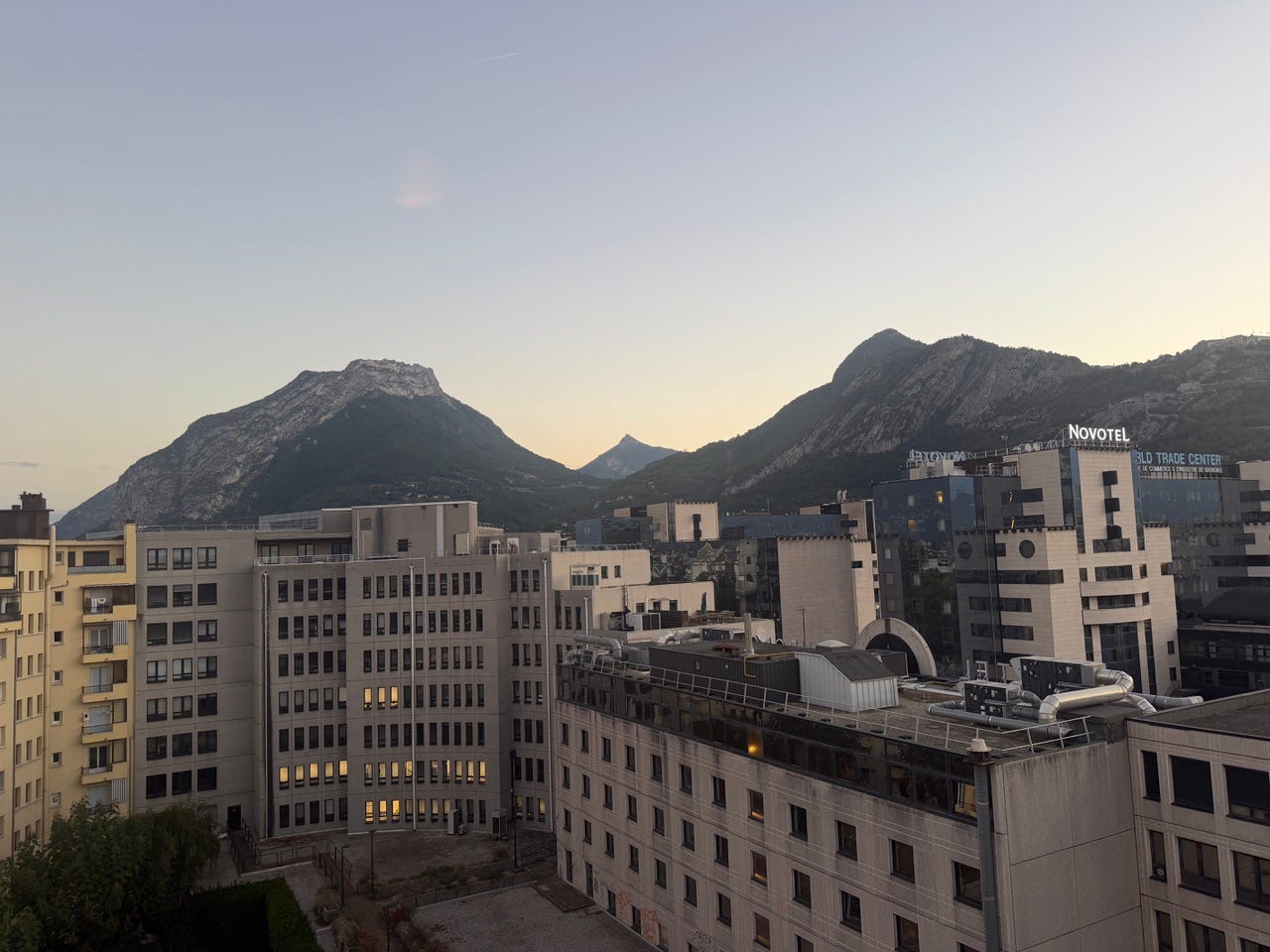
Downtown Grenoble is surrounded by mountain tops up to 3000 meter above sea level
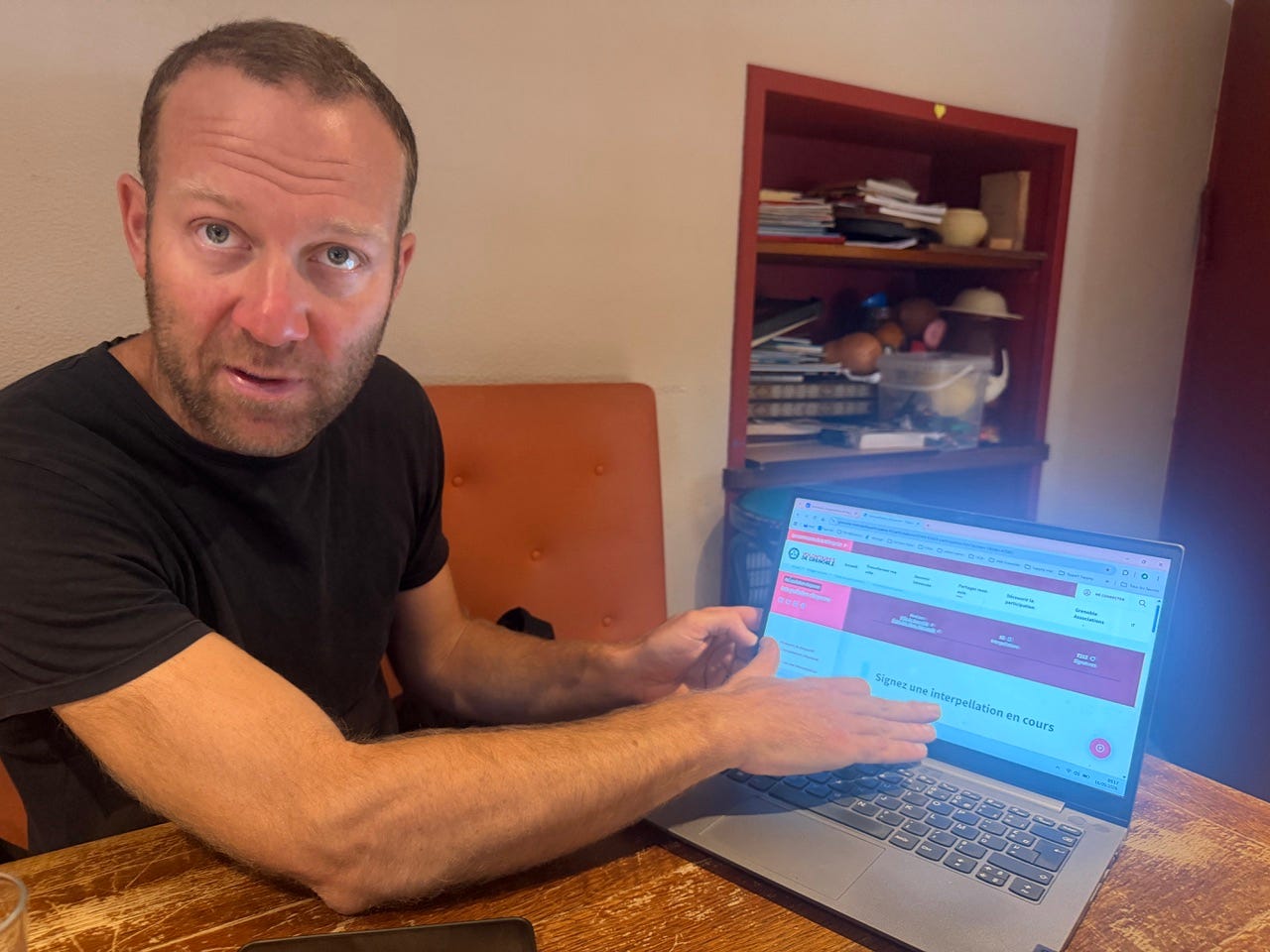
Antoine Gonthier is the Grenoble city hall responsible for participatory and direct democracy and shares information on the online platform for local citizens initiatives
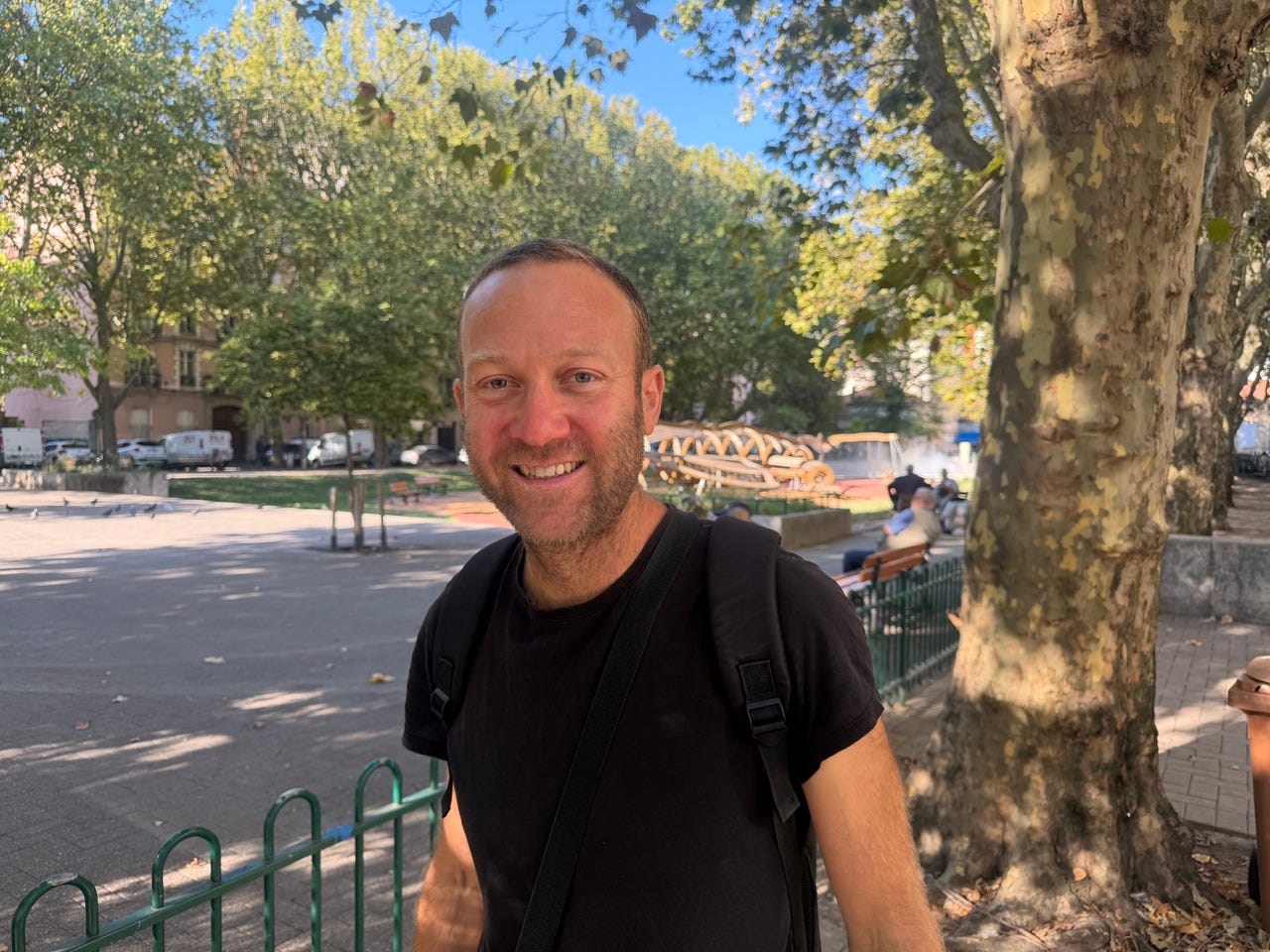
Antoine Gonthier in the Saint Bruno Park in downtown Grenoble where citizens have been in the lead to develop the area
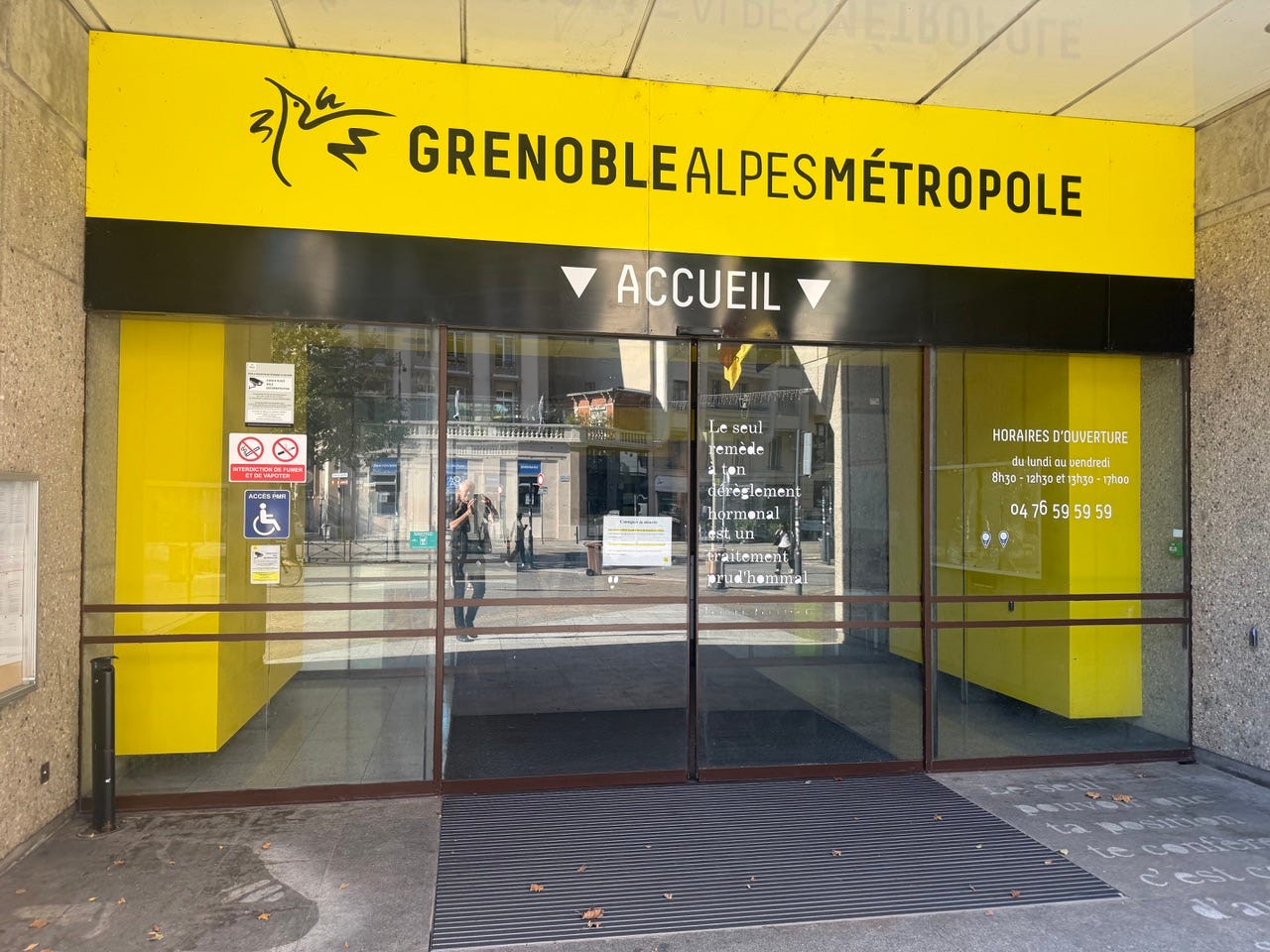
Metropole Grenoble is a newly established functional political level including 49 municipalities with in total almost half a million inhabitants
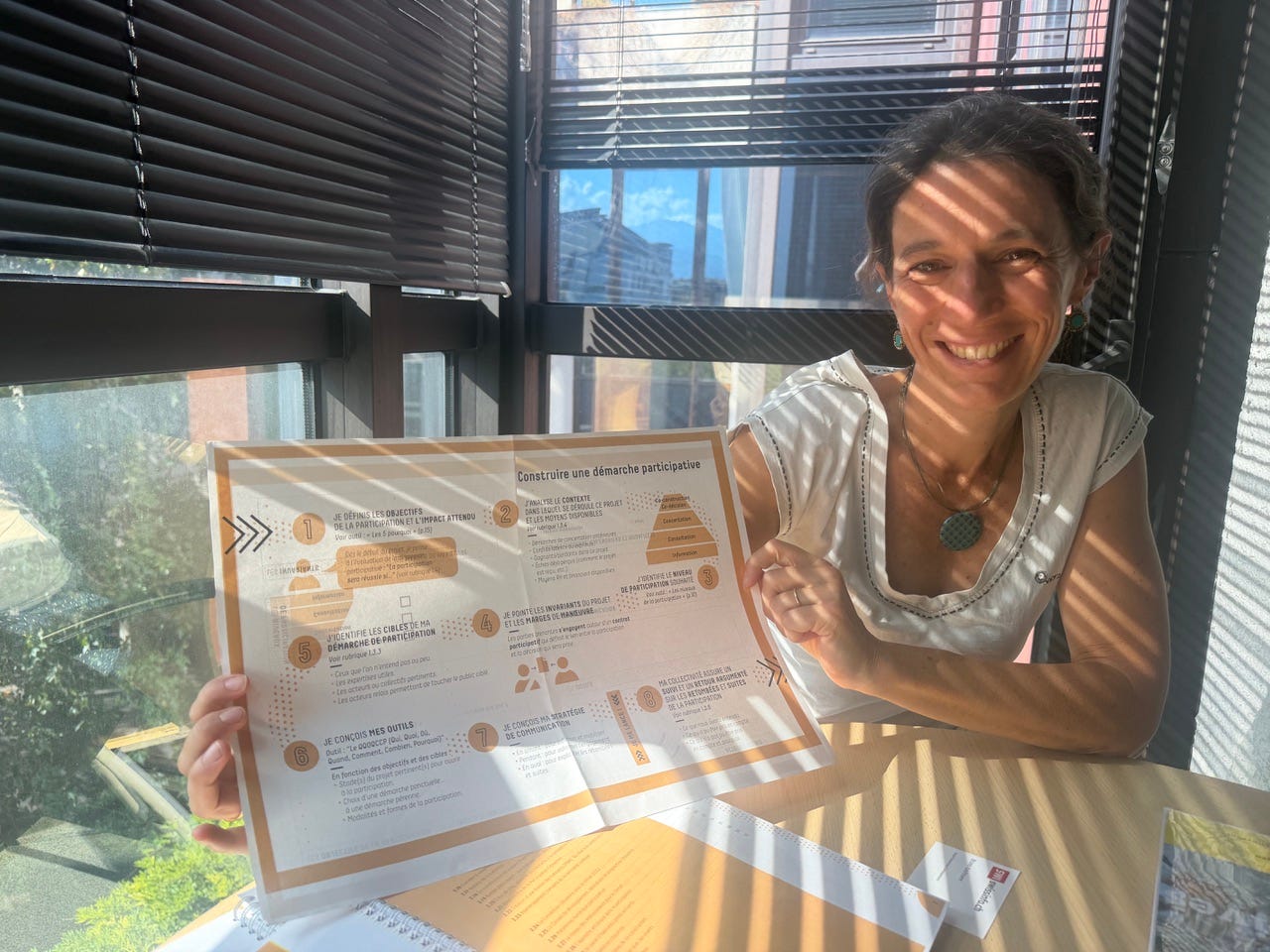
Helene Clot leads the Metropole efforts to include citizens in the decision-making process on issues like transportation, infrastructure, waste collection and water services
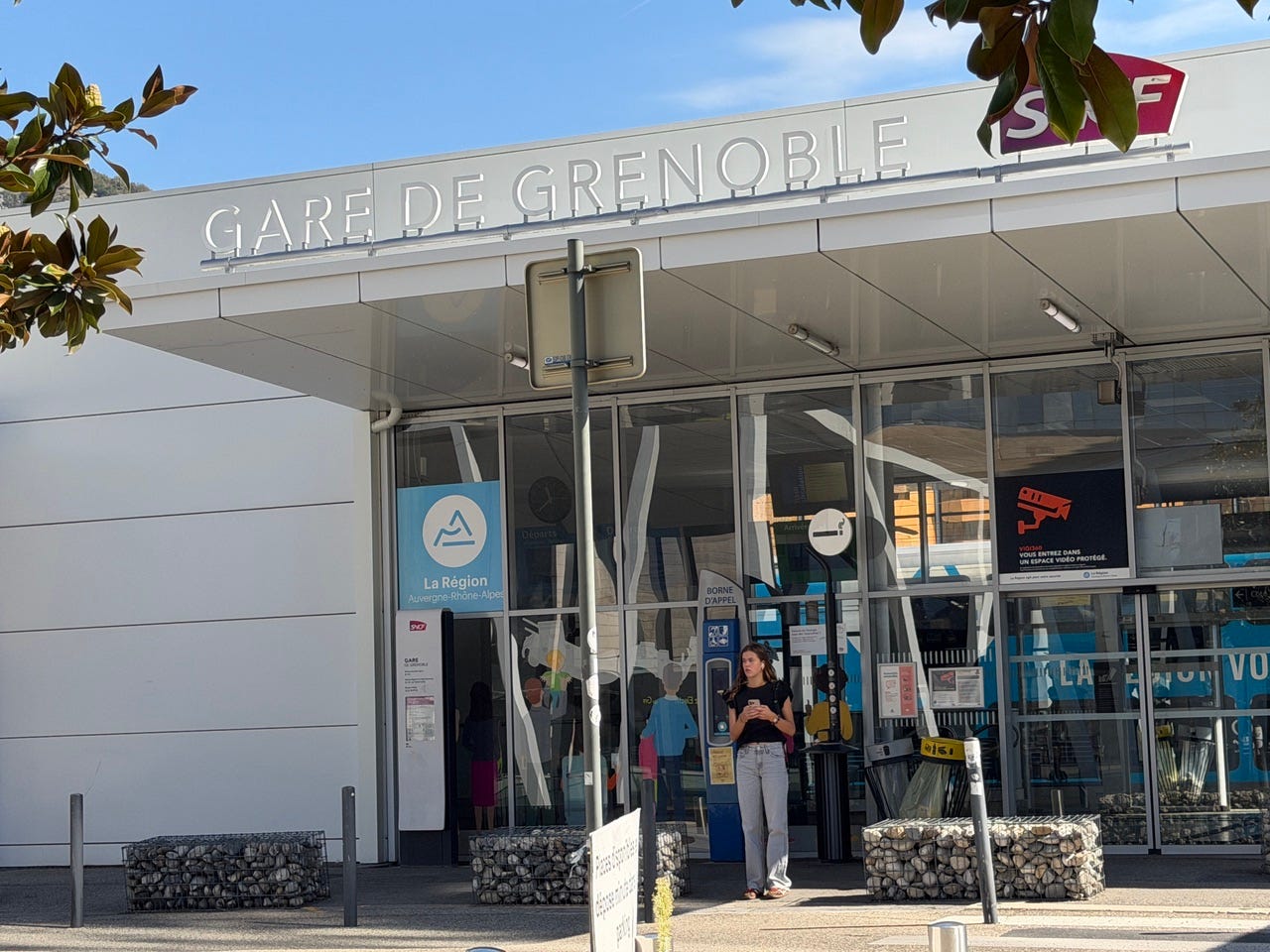
Grenoble Central Station offers passenger services to many parts of France including high speed trains to Paris (600 km, 3 hrs) and direct connections to Geneva in Switzerland (150 km, 2 hrs)