A Bulgarian Village at a Turbulent Tipping Point
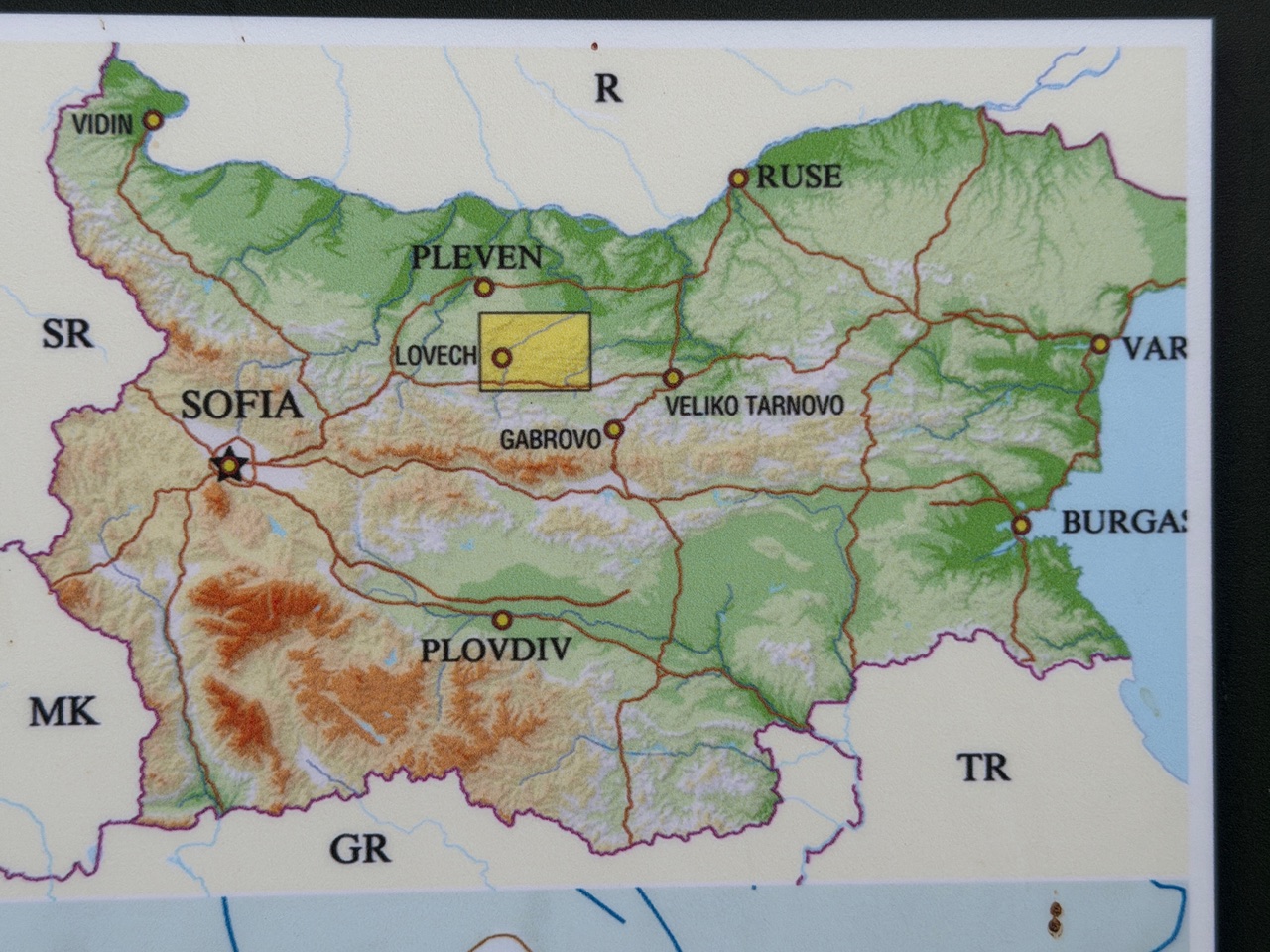
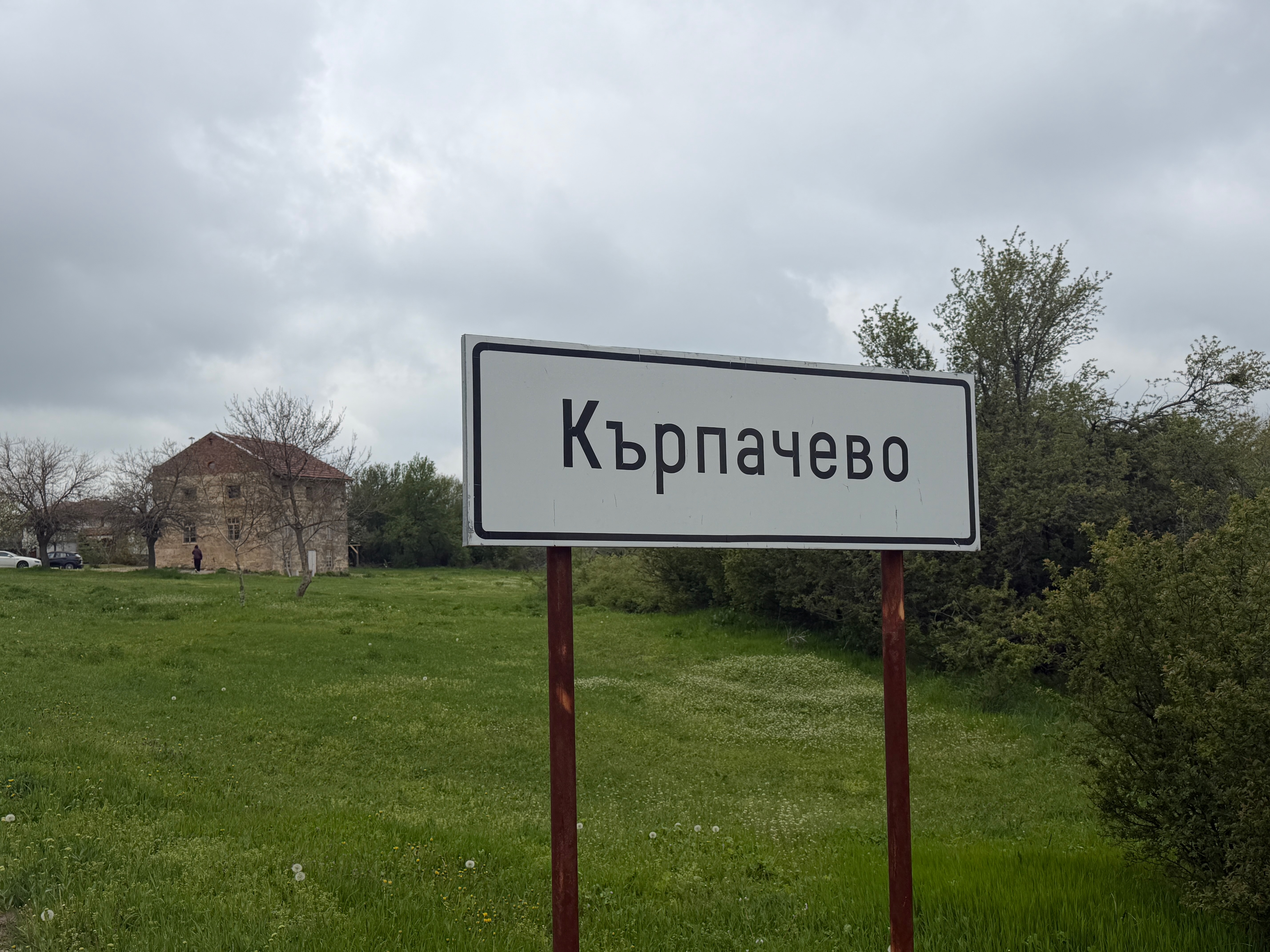
Deep in the heart of Bulgaria, on a plateau perched 400 meters above sea level, lies the village of Karpachevo.
It is a place of rugged beauty, defined by waterfalls, caves, and a landscape that is finally beginning to wake up after decades of being forgotten. I came here last week to work for a few days within a community, and a country, at a fascinating, if turbulent, turning point.
The journey here tells its own story. Driving along the main motorway from Sofia to Varna, you are traveling on what is whispered to be the most expensive road in Europe. It’s a stark monument to the corruption that has long stifled this nation; locals say that for every euro invested in its construction, three simply disappeared. This is the reality of a country that has endured five elections in just three years a cycle of political instability that has historically “killed” any attempts at progress.
Yet, this time, the air feels different. As in Hungary, recent elections have created a sense of possibility here.
In the April Bulgarian elections, a higher turnout, driven largely by young voters, and the emergence of a new party established by a former president, Progressive Bulgaria, have finally offered a glimpse of political stability. This opening is exactly what civil society needs. While Bulgarian organizations remained quietly resilient after the Cold War, political chaos often denied the chance to leave a real imprint on society. Now, they are stepping into the light.
I traveled here as a partner for “Networks in Action,” a three-year project sponsored by the Swiss Government. The Swiss Democracy Foundation, which I co-founded, is helping with the projection. Our mission is deeply rooted in the local and regional levels the true laboratories of democracy.
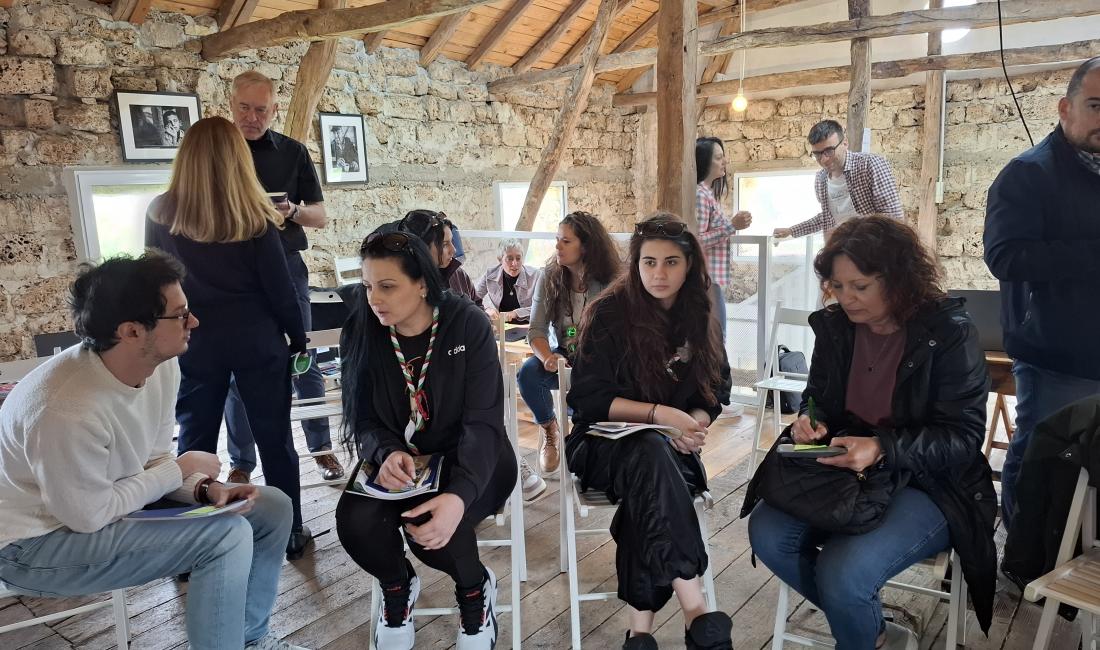
We are training civil society leaders to empower their communities through people’s tools, l like citizens’ initiatives and deliberative assemblies. In Karpachevo, our work focused on the mechanics of change: teaching leaders how to structure, monitor, and execute political campaigns. We worked out of a beautifully restored old mill that feels remarkably like the prison-turned democracy tower in Bern, the Swiss capital.
I’m a Swedish citizen, too, and I’ve found myself sharing the lessons I learned during seven years promoting democracy within the government of the northern city of Falun. The local leaders here are showing an incredible appetite for these tools.
Karpachevo itself is a microcosm of Bulgaria’s broader struggle. A thriving hub of collective agriculture in Soviet times, it struggled and then was abandoned for years in the late 20th century. Now it is seeing a revival. Professionals from Sofia are buying old farms to create educational centers, but they aren’t the only ones interested. The village is also a target for speculation—one British owner has bought up 70 houses proving that even in this rural idyll, the pressures of the global market are never far away.
What strikes me most is the diversity of the people coming together. We are seeing groups that were never traditionally viewed as “civil society”—like the powerful fishing and hunting associations, or child protection advocates joining forces with local officials and democracy-minded reforms.. By matching these organizations with Swiss organizations of similar missions, we are helping them utilize the tools of direct democracy to forge their own path.
After decades in the business of democracy work, I can see a genuine shift both here, and across Eastern Europe. People here are realizing that they are no longer a playground for the interests of Moscow or Washington. They are feeling more European and more empowered. It isn’t about massive, bureaucratic programs, but about the long-term perspective of continuous exchange and local governance. Here in this old mill, it feels like the infrastructure for a new kind of Bulgarian democracy is finally being built, one local effort at a time.