Finding Local Sucess in a City Defamed Internationally
Ahead of Sweden’s upcoming elections, national political debates are heavily focused on gang crime, drug violence, and police enforcement. Outside Sweden, the city of Malmö has long been used as an international poster boy for urban dysfunction. Just the other night, Donald Trump invoked Malmö once again in a speech, pointing to it as a warning sign of immigration and gang shootings.
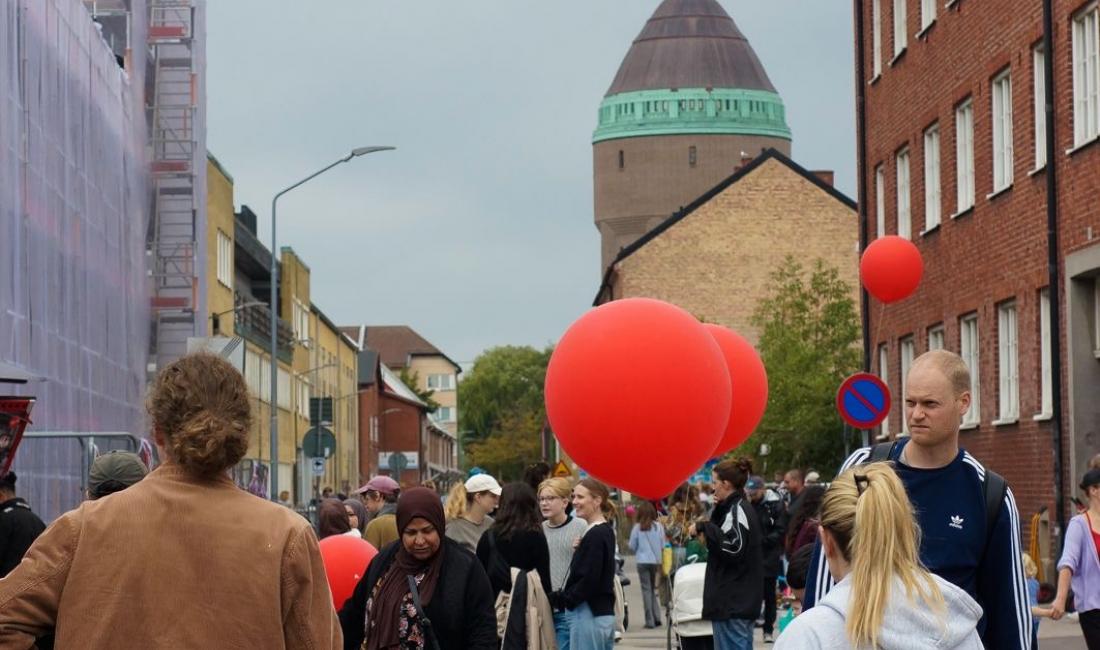
Cruising around Malmö on a scooter today, however, reveals a starkly different reality on the ground.
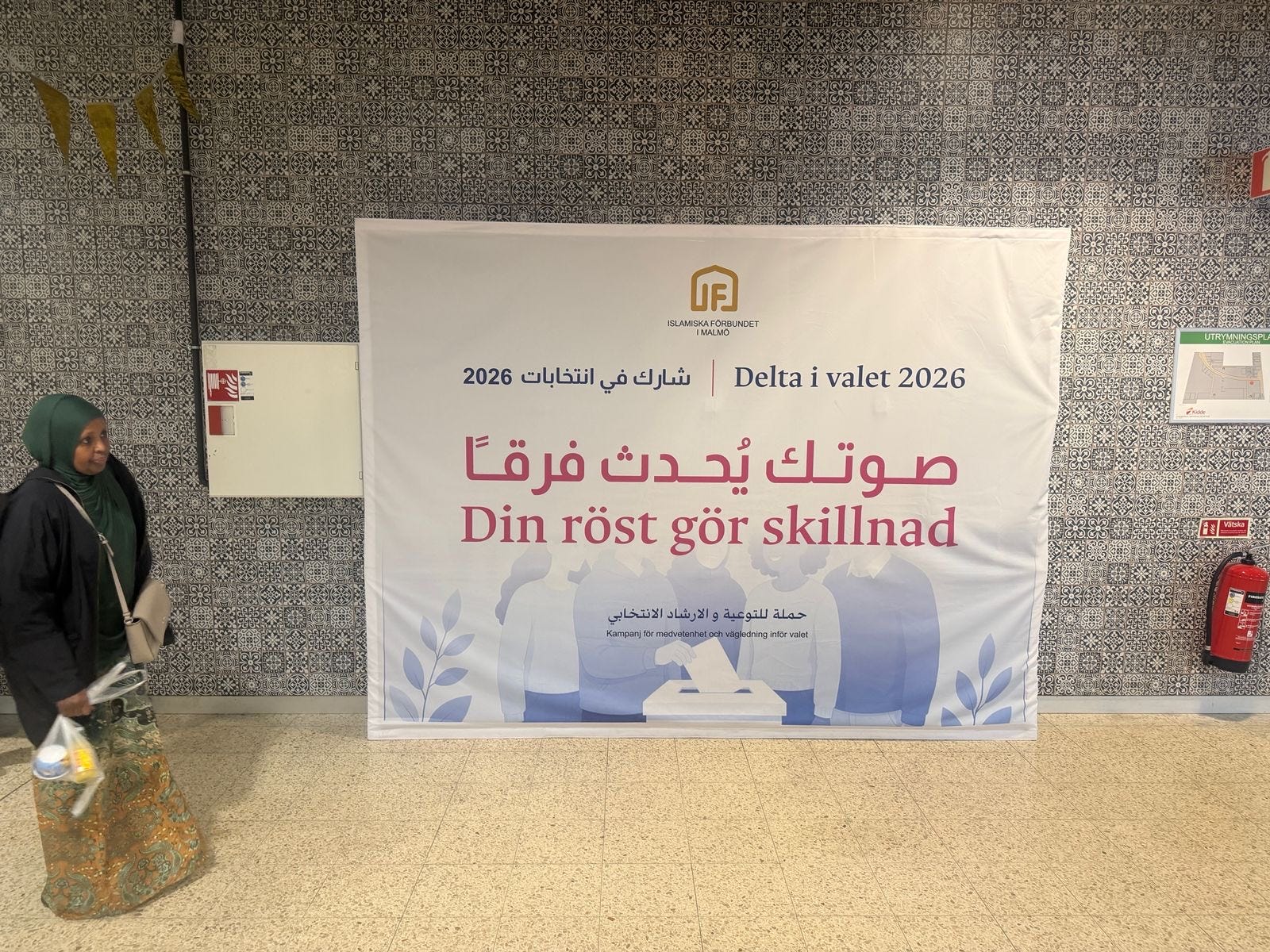
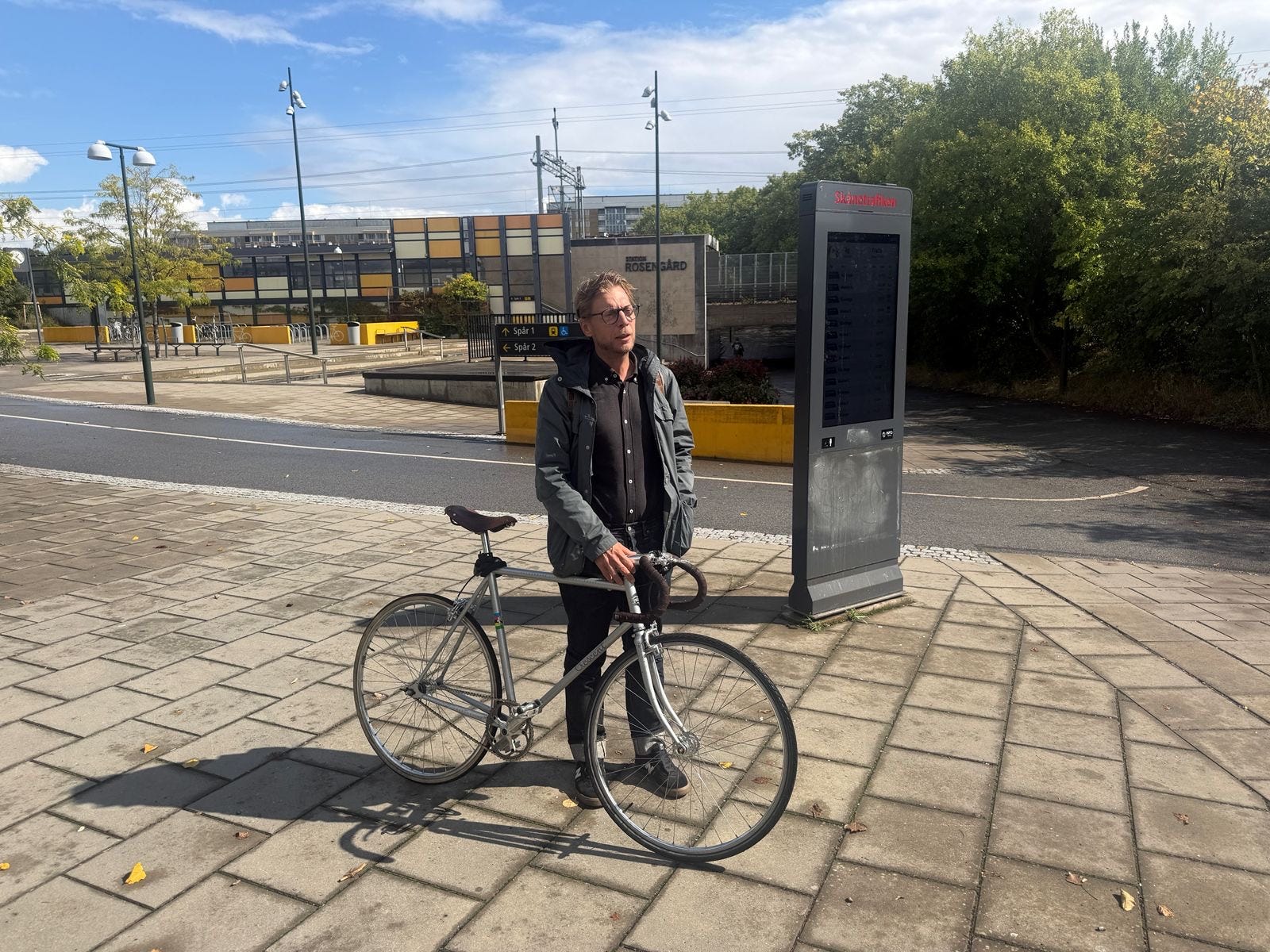
Instead of a city under siege, you find a vibrant, buzzing urban laboratory. Public squares are alive with activity, local transportation networks are expanding, and neighborhood community centers are flourishing. Even areas that once carried dark reputations—like Sofielund and Rosengård—look green, welcoming, and transformed.
The statistics back up this physical visual: last year, Malmö recorded not a single fatal shooting connected to its drug scene. While national politicians trade blame, Malmö has quietly engineered a remarkable turnaround by trusting local democracy, acting fast, and building unexpected bridges.
In earlier times, urban renewal in Swedish cities involved years of bureaucratic preparation, committee meetings, and political debate. Malmö has reversed that, and: ideas are realized very quickly.
Rather than getting stuck in endless planning cycles, the city council provides agile micro-budgets directly to local associations, neighborhood groups, and civil society initiatives. This funding allows communities to test out ideas immediately in public spaces:
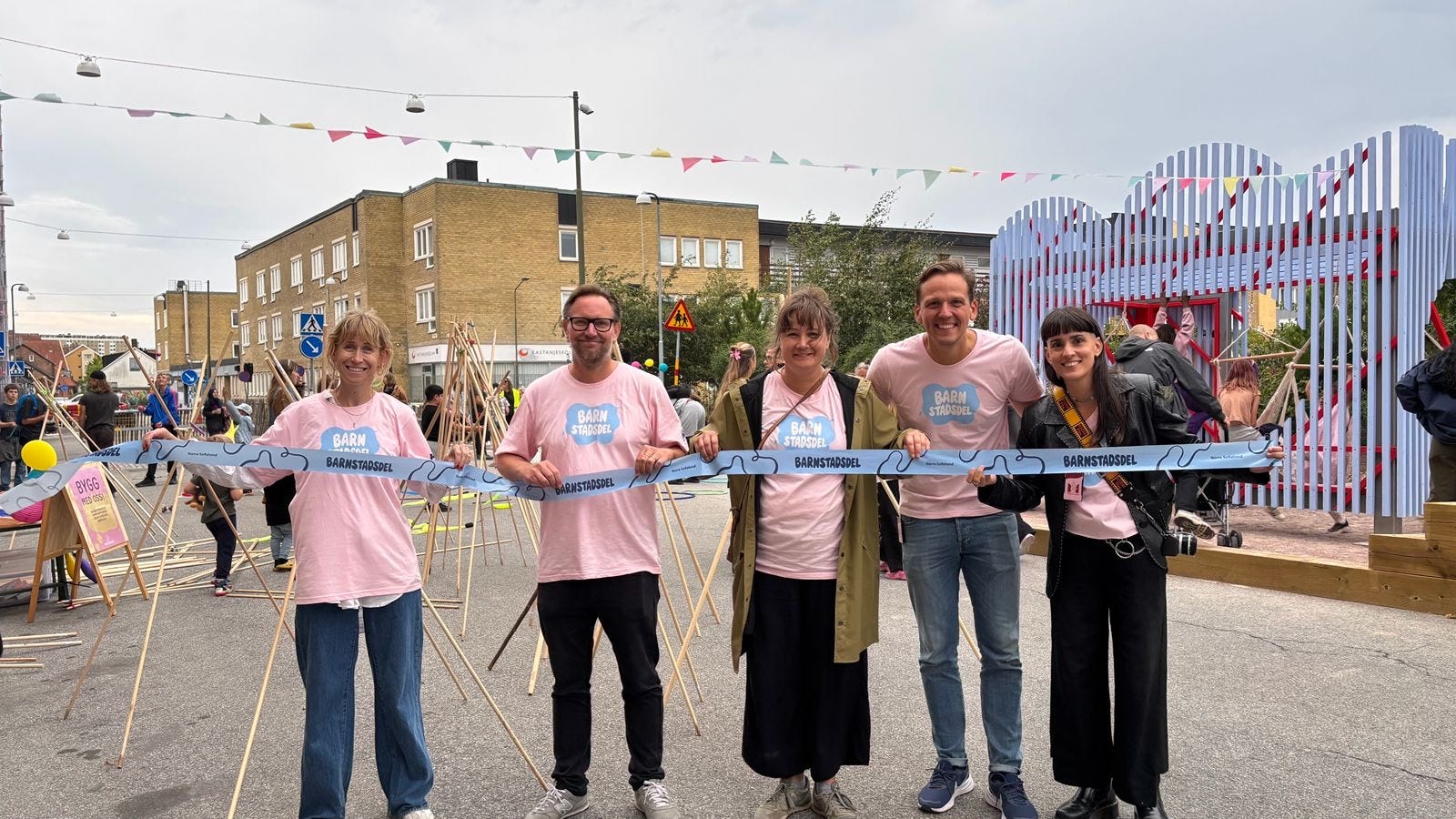
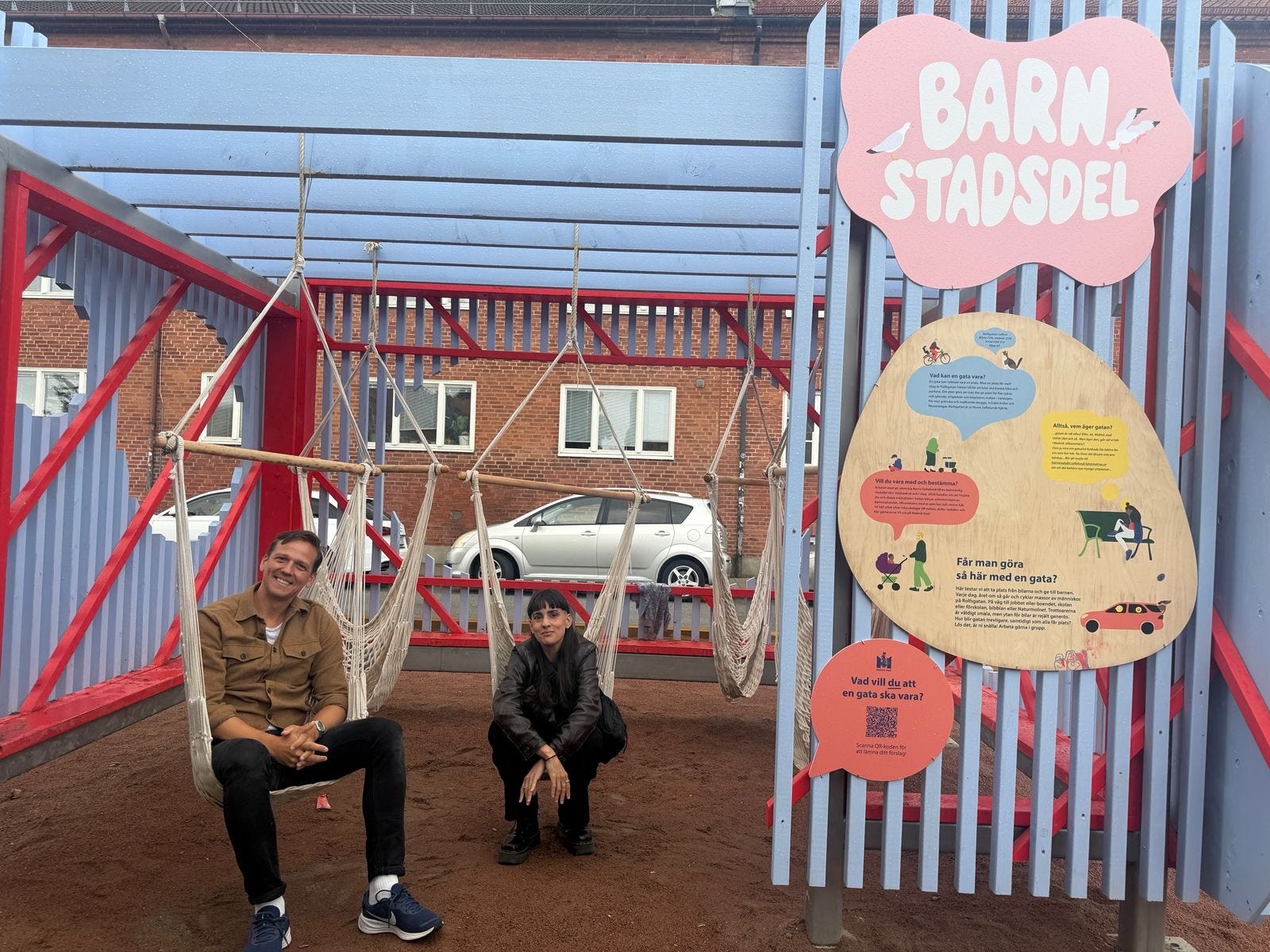
Unused industrial zones and parking spots are rapidly converted into child-friendly hubs equipped with play structures, hammocks, sofa corners, and art installations.
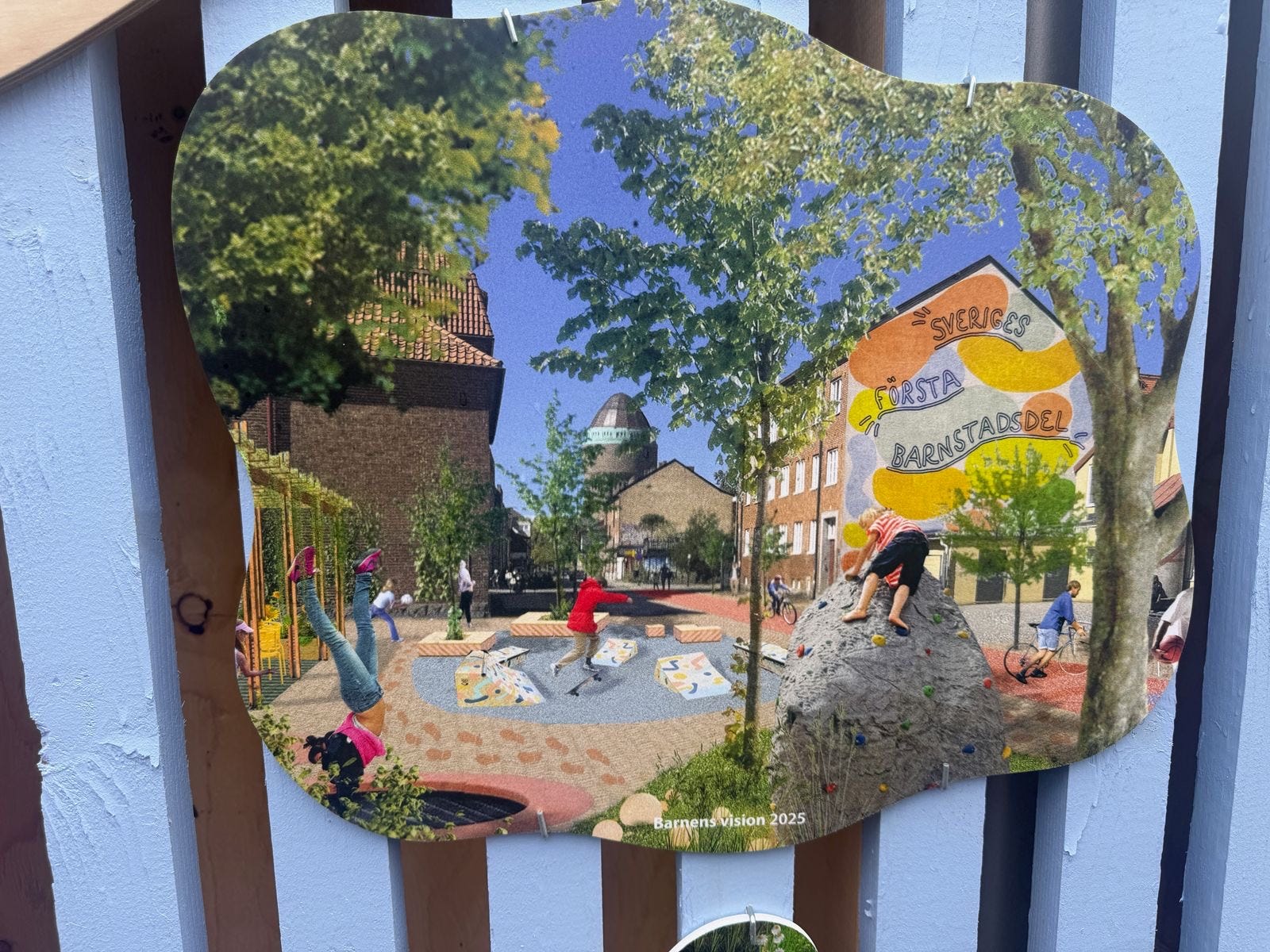
Unlike the intense polarization at the national level, Malmö’s city council sees the political Left and Right working together. When the proposal was introduced to turn the Sofielund district into Sweden’s first official “Children’s Neighborhood,” the city council adopted it with not a single vote against it. High-profile figures like global football icon Zlatan Ibrahimović have invested heavily in local youth projects, reinforcing the efforts of dozens of grassroots neighborhood associations and community groups.
Local city information officer Elina Carlstein notes that by prioritizing the safety and mobility of young residents, the city naturally reclaims public spaces previously dominated by illicit activity. The local philosophy is simple: stop waiting for national intervention, stop blaming others, and start testing solutions directly with the community.
Malmö’s success is also deeply tied to its unique physical geography. In many major European and North American metropolitan areas, troubled neighborhoods are pushed far to the outer suburbs, isolated at the end of long commuter rail lines. In Malmö, every neighborhood feels directly connected to the urban core.
This layout is the result of a fascinating historical legacy: Southern Sweden’s powerful agricultural lobby.
For decades, local farmers and agricultural advocates fiercely protected the region’s rich, fertile topsoil, preventing the city from expanding outward into rural land. Forced to build densely within restricted geographical boundaries, Malmö developed as a tightly woven, integrated city network. Urban planners like Prof. Martin Grander of Malmö University point out that this compact design fosters deep civic cohesion: because the city is so connected, residents recognize that an investment in one neighborhood is a direct improvement for the whole municipality. \
Perhaps the most remarkable—and under-reported—chapter of Malmö’s turnaround lies across the Öresund Bridge in neighboring Copenhagen, Denmark.
For years, Denmark has maintained strict immigration policies, which eventually led to widespread workforce shortages across key service and industrial sectors. Meanwhile, Malmö welcomed significant refugee populations over the past decade—including over 160,000 registered refugees arriving in late 2015—which initially pushed up local unemployment rates.
Today, that dynamic has generated an unexpected economic boom:
Malmö’s young, diverse workforce regularly commutes across the Öresund Bridge to fill critical labor shortages in Copenhagen, driving Malmö’s unemployment figures down dramatically. Living in Sweden remains far cheaper than living in Denmark. Because the Swedish krona floats while the Danish krone is pegged to the Euro, residents working in Denmark and living in Malmö enjoy tremendous local purchasing power.
While international headlines dwell on old tropes and national candidates debate hardline security measures, Malmö offers a fresh playbook for urban democracy. By refusing to wait for top-down solutions, overcoming political divides at city hall, and giving citizens immediate agency over their public spaces, Malmö proves that local democracy can rewrite even the toughest stories.