Visiting The Capital of Liechtenstein, a Tiny Industrial Powerhouse with a Princely Paradox.
The Principality of Liechtenstein is often dismissed as a mere tax haven or a quaint mountain relic.
But on my recent visit to its capital, Vaduz, this nation of 40,000 people is a living laboratory for one of the world’s most peculiar and effective forms of governance.
Liechtenstein remains a land of contradictions: a place where, in the same day, you can hike in alpine silence, do a shift, at a high-tech manufacturer, and attend a university talk about the global state of direct democracy, all under the watchful eye of a Prince with veto power.
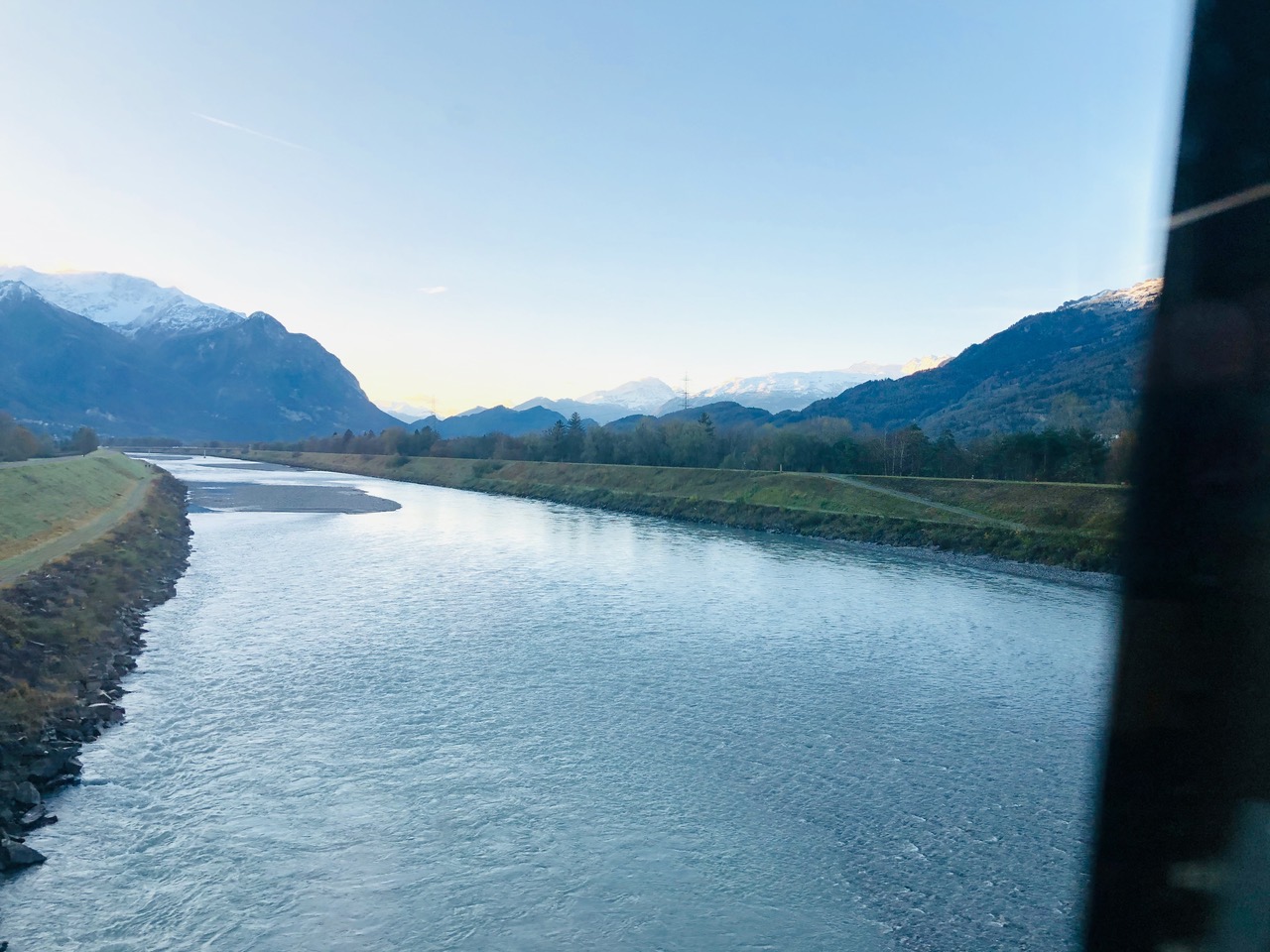
Traveling through the Rhine valley, you might expect to see little but boutique banks and luxury watches. Instead, you find a powerhouse of production. Liechtenstein is one of the few places on Earth where there are more workplaces as there are inhabitants (roughly 42,500. And nearly 42% of its economy is industrial. That is a higher share than Switzerland, Austria, or Germany (where these share lie between 20 and 30 percent).
From high-tech manufacturing to emerging fin-tech, the country has leveraged its 1921 pivot away from Austria and toward Switzerland, adopting the Swiss franc and joining the European customs union, to build a modern economic fortress.
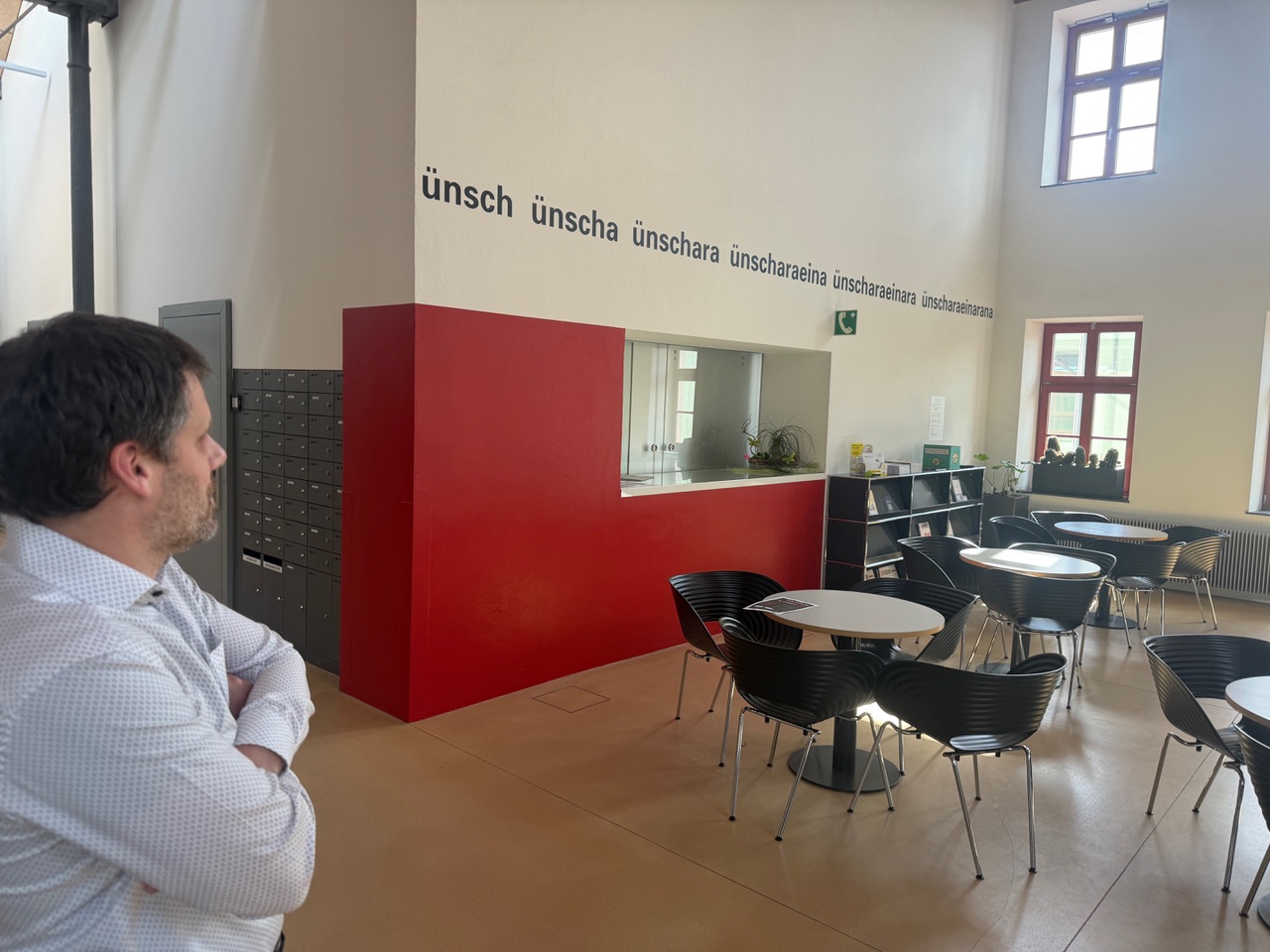
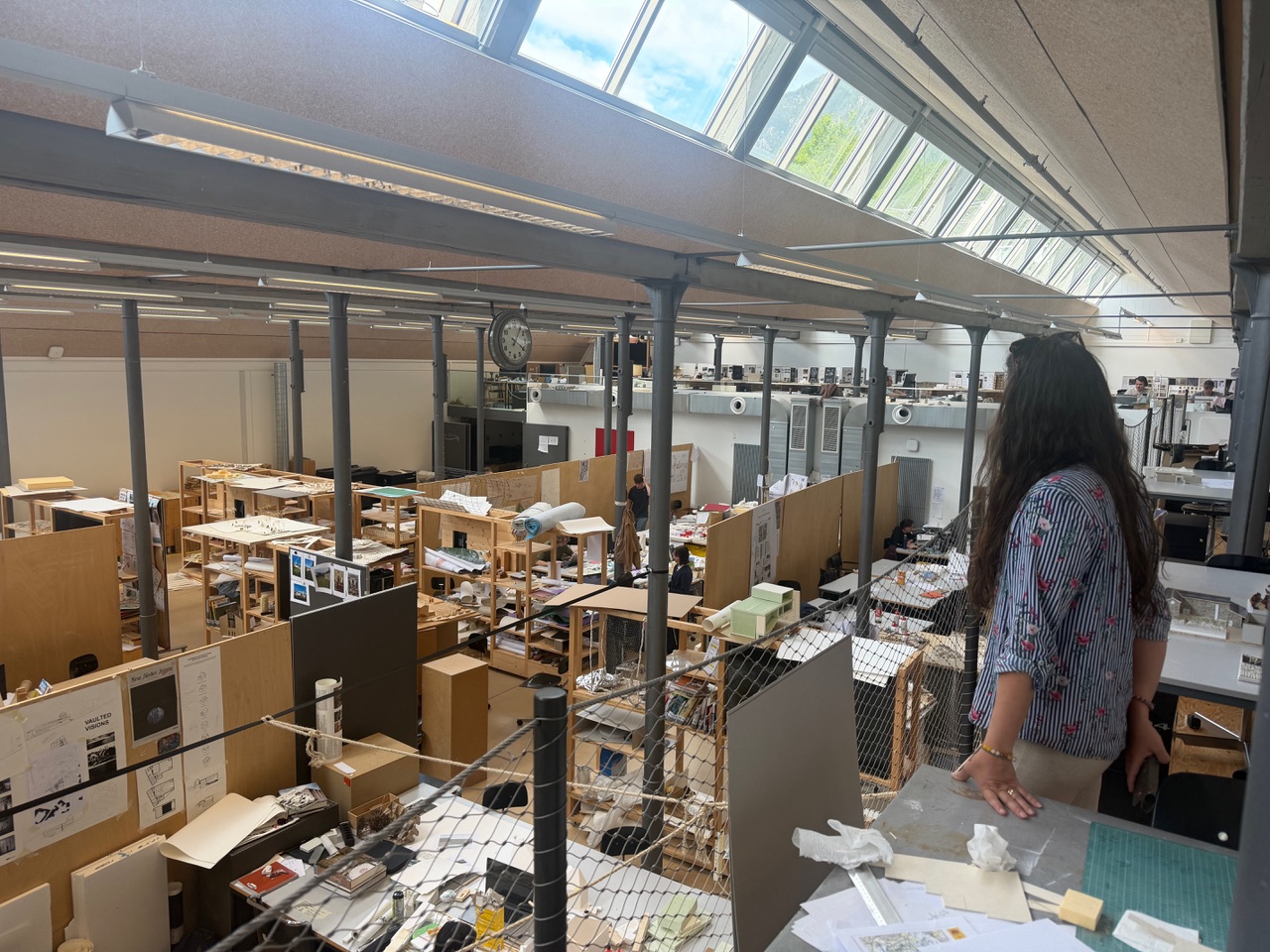
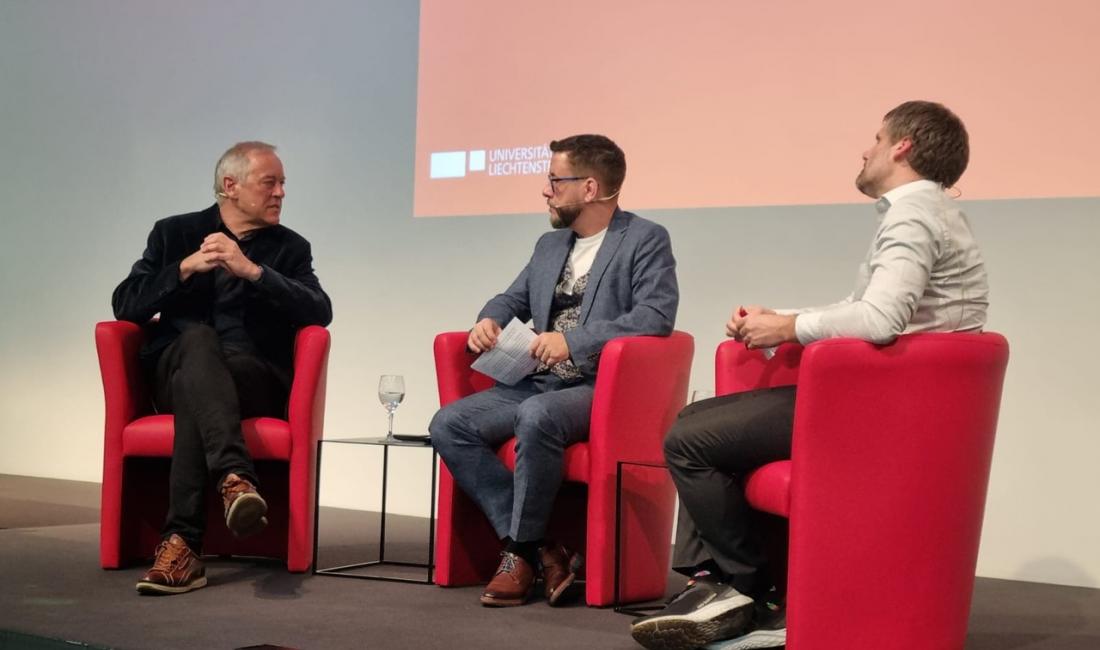
I was invited to the University of Liechtenstein by its president, Christian Frommelt, to participate in his series "Campus Talks." The setting itself is a metaphor for the country's evolution: the university was established 65 years ago in a repurposed 19th-century textile park.
Frommelt has established the university as a platform for public diplomacy, sending invitation letters to every single household in the country to attend discussions on issues, including my Campus Talk. In Liechtenstein, this level of outreach is remarkably affordable—it costs only about 2,000 francs in mailing costs to reach every citizen.
The low cost of reaching people is one big reason for Liechtenstein’s frequent use of direct democracy. Another reason is that it takes only 1000 signatures to get a statute on the ballot, and 1500 for a constitutional amendment.
After its neighbor Switzerland, Liechtenstein has the world’s most active nationwide direct democracy. Since 1921, citizens have headed to the polls for over 125 votes on issues.
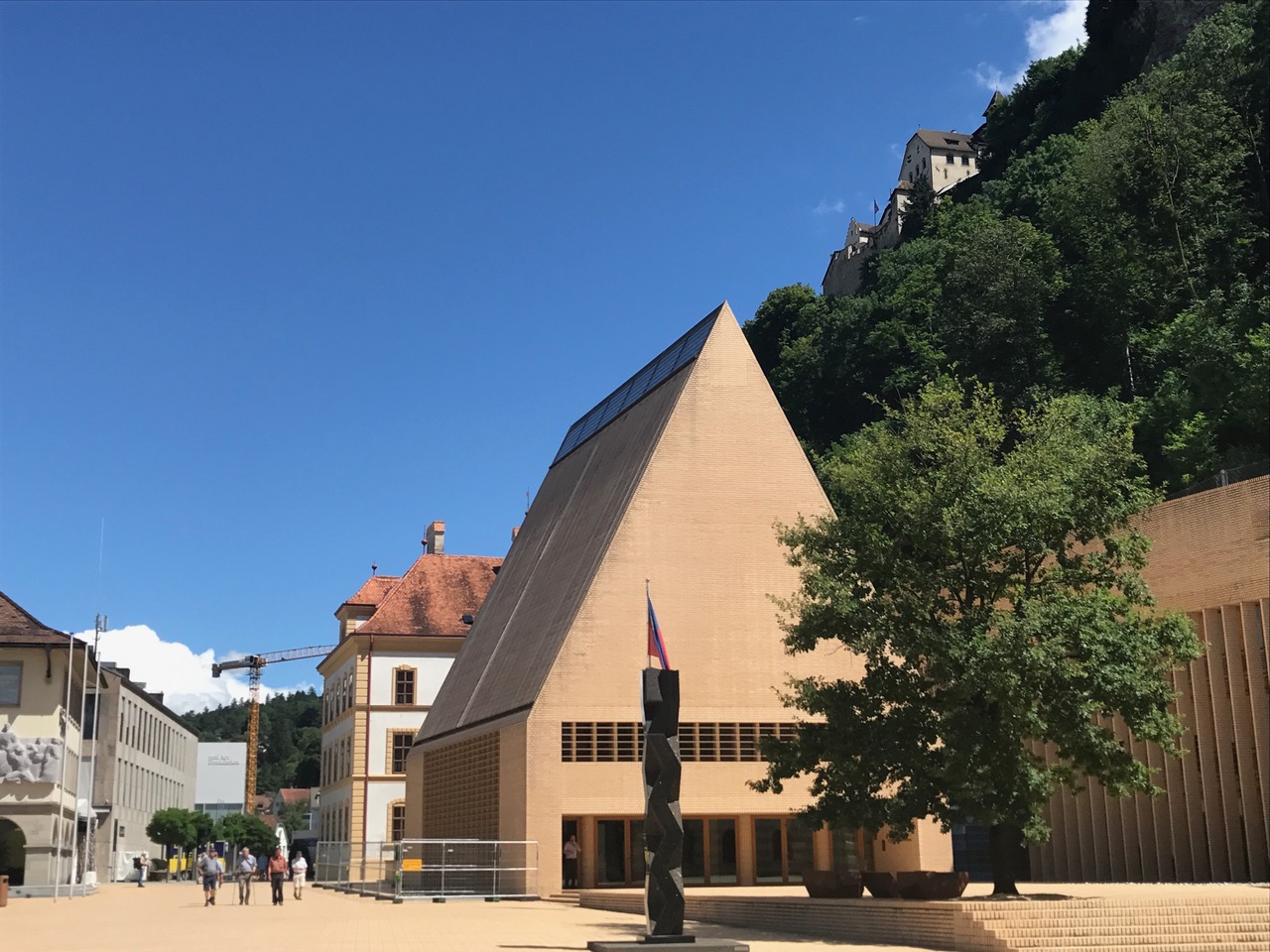
However, this democracy exists alongside a monarchy with real teeth. The House of Liechtenstein, led by Prince Hans-Adam II and his son Alois, is among the wealthiest families in Europe, with bank accounts totaling some 350 billion Swiss francs.
The balance of power in Liechtenstein is unique. The Prince holds the power to veto any law, appoint high court judges, and submit measures to the ballot. The people check the Prince by electing a parliament, and via their rights to qualify referendums and initiatives for the ballot. Crucially, the people have the constitutional right to abolish the monarchy via a referendum. For this, again, they simply need to gather 1500 signatures within three months;
I first visited Liechtenstein 23 years ago during a political crisis where the Prince threatened to leave the country, and take his wealth with him, if his powers weren't expanded. The people voted to keep him. This structure creates a strange, functional tension between autocratic tradition and grassroots power.
Despite the nation’s wealth, the citizens are not particularly generous when it comes to public spending. In a recent move that sent ripples through the local media landscape, a referendum actually abolished the public service radio.
In my Campus Talk, I encouraged Liechtenstein to transition from an inward-looking principality to a global supporter of democratic development. The country’s history of managing relations with its larger neighbors Austria and Switzerland, and of balancing monarchical rule with direct citizen input and 11 municipal governments, are relevant in a world teetering between authoritarianism and democratic innovation.
Liechtenstein may be a small place, but it has an enormous democracy expertise from which the world could learn.